
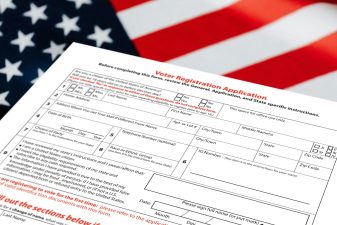
On April 10, 2025, the U.S. House of Representatives passed the SAVE Act. This legislation mandates documentary proof of U.S. citizenship for voter registration. Advocates argue this is essential to prevent noncitizen voting. Critics warn it could disenfranchise millions of eligible voters. The bill now moves to the Senate, where its future remains uncertain.
Overview of the SAVE Act
The SAVE Act, or Safeguard American Voter Eligibility Act, aims to ensure that only U.S. citizens can register and vote. It requires applicants to provide specific documents that prove their citizenship. The bill’s proponents highlight the need for electoral integrity. They claim that noncitizen voting, though rare, undermines public trust in elections.
Impact on Voter Registration
If enacted, the SAVE Act will affect all voter registration applications. Current voters who change their name or address will need to provide proof of citizenship. This requirement could complicate the registration process for many. Voting rights groups argue that this could lead to disenfranchisement, particularly among vulnerable populations.
Required Documentation
The SAVE Act specifies acceptable forms of documentation. These include a REAL ID-compliant driver’s licence, a valid U.S. passport, military ID, or a government-issued photo ID that indicates birthplace. However, many driver’s licenses do not indicate citizenship, raising concerns about accessibility.
Challenges for Certain Populations
The legislation does not account for individuals lacking easy access to vital documents. Many Americans do not possess a U.S. passport or birth certificate. Women who have changed their names may face additional hurdles. Critics argue that the bill should provide clearer guidelines for these cases.
Submission of Documents
Applicants must submit proof of citizenship in person to local election offices. This requirement could pose challenges, especially for those in rural areas. The bill also stipulates that voters must present proof at polling locations on election day. This could lead to further complications for those without the necessary documents.
Political Context
Republicans advocate for the SAVE Act, asserting that any instance of noncitizen voting is unacceptable. They argue that such measures restore confidence in the electoral process. Conversely, Democrats contend that existing laws already prohibit noncitizen voting. They suggest focusing on improving voter list accuracy instead of imposing new requirements.
Current State of Voter Registration
As of early 2024, approximately 56% of driver’s licenses in the U.S. were REAL ID-compliant. However, the adoption of REAL ID has been slow. States are not mandated to indicate citizenship status on these IDs, complicating compliance with the SAVE Act.
Future Implications
The SAVE Act’s passage could reshape the landscape of voter registration in the U.S. Its implementation may lead to increased barriers for many citizens. The Senate’s decision will determine the law’s ultimate fate and its potential impact on future elections.
Questions for UPSC:
- Critically examine the implications of the SAVE Act on voter registration processes in the United States.
- Discuss the potential effects of stricter voter registration laws on electoral participation among minority groups.
- What is the significance of REAL ID compliance in the context of voter registration? How does it affect citizens?
- Explain the challenges faced by individuals in rural areas regarding access to voter registration and documentation. Discuss with examples.
Answer Hints:
1. Critically examine the implications of the SAVE Act on voter registration processes in the United States.
- The SAVE Act mandates proof of citizenship for voter registration, affecting all applications.
- Current voters changing names or addresses will need to provide additional documentation.
- Voting rights groups warn of potential disenfranchisement, particularly among marginalized populations.
- The bill may complicate the registration process, leading to increased barriers for eligible voters.
- Implementation could vary by state, creating inconsistencies in voter registration across the country.
2. Discuss the potential effects of stricter voter registration laws on electoral participation among minority groups.
- Stricter laws may disproportionately impact minority groups who face challenges in obtaining necessary documentation.
- Historical data shows that minority populations often have lower access to vital records like birth certificates.
- Increased registration barriers could lead to lower voter turnout among these groups.
- Voting rights organizations argue that these laws could exacerbate existing inequalities in electoral participation.
- Public sentiment and activism may rise in response to perceived disenfranchisement, potentially mobilizing minority voters.
3. What is the significance of REAL ID compliance in the context of voter registration? How does it affect citizens?
- REAL ID compliance establishes minimum security standards for identification, impacting its acceptance for voter registration.
- Many states do not label IDs with citizenship status, complicating compliance with the SAVE Act.
- Approximately 56% of U.S. driver’s licenses were REAL ID-compliant as of early 2024, indicating slow adoption.
- Citizens without a REAL ID-compliant license may face challenges in proving their citizenship for voting.
- The push for more states to adopt citizenship indicators on IDs reflects ongoing efforts to enhance electoral integrity.
4. Explain the challenges faced by individuals in rural areas regarding access to voter registration and documentation. Discuss with examples.
- Rural residents may have limited access to local election offices, often located far from their homes.
- Traveling long distances can be a barrier, especially for individuals without reliable transportation.
- Examples from New Hampshire highlight difficulties faced by voters needing to provide proof of citizenship on election day.
- Limited internet access in rural areas may hinder online voter registration or information access.
- These challenges can lead to lower voter participation rates among rural populations, exacerbating electoral inequalities.