
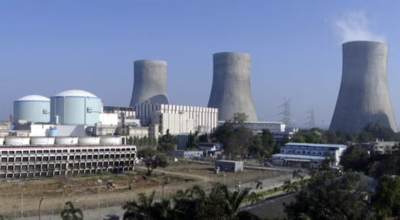
India has achieved a significant milestone in its civil nuclear energy programme with the Prototype Fast Breeder Reactor (PFBR) at Kalpakkam, Tamil Nadu, attaining criticality. This marks the initiation of a sustained nuclear fission chain reaction, bringing the reactor closer to full operational status. The PFBR is a key component of India’s three-stage nuclear power programme, aimed at utilising the country’s vast thorium reserves and ensuring long-term energy security.
Significance of Criticality in Nuclear Reactors
Criticality in a nuclear reactor refers to the point where a self-sustaining nuclear fission chain reaction is achieved. At this stage, the number of neutrons produced is sufficient to maintain the reaction without external intervention. Although criticality does not mean the reactor is generating electricity at full power, it is a crucial milestone in commissioning any nuclear plant. This step demonstrates the reactor’s capability to operate safely and reliably over extended periods.
About the Prototype Fast Breeder Reactor
The PFBR is a 500-megawatt electrical sodium-cooled fast breeder reactor developed indigenously by Bharatiya Nabhikiya Vidyut Nigam Limited (BHAVINI) under the Department of Atomic Energy. It is located at the Indira Gandhi Centre for Atomic Research (IGCAR) campus in Kalpakkam. The reactor uses plutonium as fuel and is designed to produce more fissile material than it consumes by converting fertile uranium-238 into plutonium-239. This unique feature allows it to generate additional fuel, earning it the nickname “Akshay Patra” of energy.
India’s Three-Stage Nuclear Programme
The PFBR represents the second stage of India’s three-stage nuclear power programme, originally conceptualised by Dr Homi Jehangir Bhabha. The first stage uses pressurised heavy water reactors (PHWRs) that run on natural uranium to produce plutonium. The second stage, involving fast breeder reactors like the PFBR, uses this plutonium to breed more fuel. The third stage aims to utilise thorium reserves through thorium-based reactors. India has one of the world’s largest thorium reserves, making this programme crucial for sustainable nuclear energy development.
Implications for India’s Energy and Climate Goals
The successful attainment of criticality in the PFBR aligns with India’s commitment to expand its nuclear power capacity to 100 gigawatts by 2047. Fast breeder reactors are expected to play a vital role in ensuring energy security while reducing carbon emissions. The PFBR’s commercial operation will demonstrate the viability of breeder technology and pave the way for future reactors. This achievement also supports India’s net zero emission target by 2070 by promoting clean and sustainable energy sources.
What to Study for UPSC Exams?
- Three-Stage Nuclear Power Programme
- Fast Breeder Reactor Technology
- Thorium as a Nuclear Fuel
- India’s Energy Security Strategies
- Nuclear Fuel Cycle and Reprocessing
Three-Stage Nuclear Power Programme
India’s three-stage nuclear power programme was conceptualized by Dr. Homi Bhabha to utilize uranium and thorium efficiently. Stage 1 uses Pressurized Heavy Water Reactors (PHWRs) fueled by natural uranium to produce plutonium-239. Stage 2 employs Fast Breeder Reactors (FBRs) that use plutonium-239 to breed more fissile material from uranium-238. Stage 3 focuses on thorium-based reactors to utilize India’s vast thorium reserves by converting thorium-232 into uranium-233. This programme aims for long-term energy security by closing the nuclear fuel cycle and maximizing resource utilization.
Fast Breeder Reactor Technology
Fast Breeder Reactors (FBRs) operate with fast neutrons and do not use a moderator. They use plutonium-239 or uranium-235 as fuel and breed more fissile material by converting fertile uranium-238 into plutonium-239. FBRs are cooled by liquid metals like sodium to achieve high neutron economy. They enhance fuel efficiency and extend nuclear fuel resources by producing more fissile material than consumed. FBR technology supports sustainable nuclear power and reduces nuclear waste by recycling spent fuel.
Thorium as a Nuclear Fuel
Thorium-232 is a fertile material that absorbs neutrons to become fissile uranium-233. It is more abundant than uranium globally and is found in large quantities in India. Thorium fuel cycles produce less long-lived radioactive waste and have inherent proliferation resistance. Thorium reactors require an initial fissile material to start the reaction. The thorium fuel cycle supports sustainable and safer nuclear energy development with potential for higher efficiency and lower environmental impact.
India’s Energy Security Strategies
India’s energy security strategy focuses on diversifying energy sources including renewables, coal, natural gas, and nuclear power. Expanding nuclear capacity to 100 GW by 2047 is a key goal. Indigenous development of nuclear technology like PFBR enhances self-reliance. Emphasis is on sustainable and clean energy to reduce import dependence and carbon emissions. Strategic reserves, energy efficiency, and international cooperation also form integral parts of India’s energy security framework.
Nuclear Fuel Cycle and Reprocessing
The nuclear fuel cycle involves mining, fuel fabrication, reactor operation, spent fuel reprocessing, and waste management. Reprocessing separates usable fissile materials like plutonium and uranium from spent fuel for reuse. Closed fuel cycles improve resource utilization and reduce radioactive waste volume. India employs reprocessing technologies like PUREX to support its breeder reactor programme. Effective fuel cycle management enhances sustainability and energy security in nuclear power generation.
Last Modified: April 7, 2026