
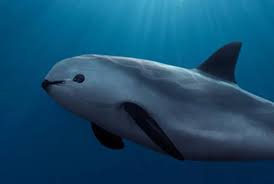
The International Whaling Commission (IWC) recently issued an alarming ‘extinction alert’ concerning the vaquita porpoise, a marine mammal that holds the title of being the world’s smallest cetacean. This announcement sheds light on the urgent need for conservation efforts to save this unique species from disappearing forever.
A Tiny Jewel in Warm Waters: Habitat and Unique Traits
The vaquita porpoise, renowned for its diminutive size, stands out as a distinctive member of the porpoise family due to its preference for warm waters. Unlike its relatives, the vaquita is the sole species within its family found in such environments. This unique adaptation is reflected in its dorsal fin, which has garnered scientific interest. The size of the dorsal fin is believed to play a crucial role in heat dissipation, aiding the porpoise’s survival in its warm habitat. The name “vaquita,” meaning “little cow” in Spanish, adds a touch of charm to this remarkable creature.
A Precarious Existence: Habitat and Range
The vaquita porpoise’s existence is constrained to a remarkably small range, accentuating its vulnerability. It inhabits a mere 1,500 square-mile area within Mexico’s upper Gulf of California, near the coastal town of San Felipe. This limited habitat contributes to its distinctiveness and accentuates the urgency of conservation efforts. The vaquita’s presence in this confined area makes it all the more imperative to address the threats it faces.
Distinctive Features: Appearance and Physical Traits
Sporting a striking appearance, the vaquita porpoise possesses distinguishing features that set it apart from other marine mammals. A distinctive dark ring encircles its eyes, creating a captivating contrast against its pale body. Further enhancing its allure, dark patches on its lips form a thin line extending from the mouth to the pectoral fins. Despite its captivating appearance, the vaquita’s small stature is another key aspect of its uniqueness, measuring up to a maximum of five feet in length.
Threats and Conservation Challenges
Tragically, the vaquita porpoise faces an imminent threat to its existence due to a perilous phenomenon known as bycatch. The decline of this species can be traced back decades, largely attributed to gillnet fishing practices designed to capture shrimp and fish, including the totoaba. These gillnets unintentionally ensnare vaquitas, leading to their decline. The urgency of addressing this issue cannot be overstated, as the vaquita’s population continues to plummet, pushing it closer to the brink of extinction.
Conservation Status and Efforts
The vaquita porpoise’s perilous situation is reflected in its conservation status. Classified as Critically Endangered by the International Union for Conservation of Nature (IUCN), and listed under Appendix I of the Convention on International Trade in Endangered Species (CITES), the vaquita’s plight demands immediate attention. International cooperation and concerted efforts are essential to reverse its decline.
International Whaling Commission
The IWC, established under the International Convention for the Regulation of Whaling (ICRW) in 1946, plays a pivotal role in marine conservation. While originally focused on regulating whaling activities, the IWC’s scope has expanded to encompass broader conservation efforts. Headquartered near Cambridge, England, the IWC strives to safeguard marine life, including the vaquita porpoise, by promoting the conservation of whale stocks and fostering sustainable development within the whaling industry.
Last Modified: February 22, 2024