
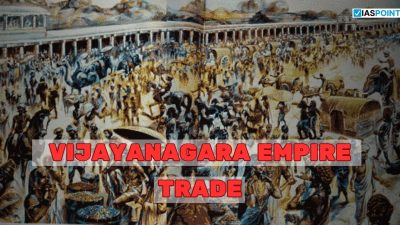
The Vijayanagara Empire flourished from the 14th to the 17th centuries in South India. Its capital, Hampi, was strategically located along the Tungabhadra River. The empire’s circumference was approximately 60 miles, surrounded by mountains and valleys. This geographical positioning contributed to its prosperity and cultural exchange.
Population Dynamics
The city of Vijayanagara had a population exceeding 500,000. The king was regarded as the first citizen, promoting the welfare of all citizens. Women enjoyed substantial rights and opportunities, participating equally in various sectors. This inclusivity enhanced the economic and social fabric of the empire.
Social Structure
The Vijayanagara Empire was governed by four dynasties – Sangama, Saluva, Tuluva, and Aravidu. Despite a predominantly Hindu culture, the empire practised religious tolerance. Women held roles in politics, arts, and trades. They engaged in activities like wrestling and were skilled in accounting and music.
Caste System and Social Norms
While the empire promoted some egalitarian principles, a caste system persisted. Men often held more power, including practices like double marriage and high dowry. The Sati practice was also prevalent, reflecting the complex social dynamics of the time.
Agricultural Practices
Agriculture was the backbone of the Vijayanagara economy. The rulers implemented policies to encourage agricultural development. Efficient irrigation systems, including dams and canals, supported crop production. The empire produced rice, millet, sugarcane, cotton, and spices, ensuring food security and surplus for trade.
Industrial Development
The empire’s industrial sector thrived under royal patronage. Key industries included textiles, mining, perfumery, and metallurgy. Guilds regulated these industries, encouraging craftsmanship. Artisans produced high-quality goods, enhancing the empire’s economic standing.
Trade Networks
Trade was vital for the empire’s prosperity. Hampi emerged as a bustling trade centre, attracting merchants from across regions. The empire’s strategic location facilitated both inland and overseas trade. Trade routes connected it to the Deccan, Tamil kingdoms, and the Malabar Coast.
Maritime Trade
The empire had access to several coastal ports, such as Goa and Calicut. These ports enabled overseas trade with regions like the Persian Gulf and East Africa. Ships were the primary means of transport for maritime commerce, showcasing advanced shipbuilding skills.
Exports and Imports
The empire exported various goods, including textiles, spices, iron, and sugar. Imports included luxury items like copper, pearls, and silks. The trade relationships enriched the empire culturally and economically.
Commercial Areas
Kings developed commercial hubs, vital for income generation. Malabar was trading area, thanks to its ports. These ports established international relations, enhancing trade with countries like Burma, China, and Portugal.
Taxation and Currency
The Vijayanagara Empire employed a robust taxation system. Gold coins, known as Varahas and Pagodas, facilitated trade. The coinage featured symbols that varied by king, with figures of deities engraved on them.
Economic Disparities
Despite the empire’s wealth, economic disparities existed. Ordinary citizens faced high taxes, while wealth was often concentrated among the elite. The caste system influenced trade and business opportunities, creating social divides.
Infrastructure Development
Infrastructure was crucial for economic growth. The empire invested in irrigation systems and built roads and bridges. This investment enhanced agricultural productivity and trade efficiency.
Cultural Flourishing
The Vijayanagara Empire was a cultural hub. It encourageed artistic expression through literature, music, and architecture. Temples adorned with intricate sculptures exemplified the empire’s artistic achievements.
Religious Practices
Hinduism was the dominant religion in the empire. The rulers were patrons of Hindu temples, which served as cultural and religious centres. Temples like the Virupaksha and Vittala became landmarks.
Comparative Analysis
The Vijayanagara Empire’s trade and economy can be compared to other contemporary civilisations. The Mughal Empire and Ming Dynasty had distinct economic systems but shared similarities in trade practices and market regulations.
Legacy and Influence
The Vijayanagara Empire left a lasting impact on South Indian history. Its achievements in trade, culture, and governance continue to be celebrated. Hampi, now a UNESCO World Heritage Site, stands as a testament to its grandeur.
Last Modified: December 23, 2024