
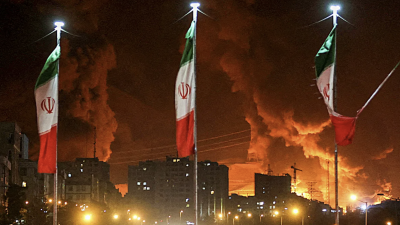
Chinese President Xi Jinping stated that the global order is “crumbling” during a speech addressing the Iran conflict. The remarks were made at a high-profile international forum in Beijing attended by diplomats and global leaders in April 2024. Xi emphasised the need for multilateralism and stability amid rising geopolitical tensions.
Xi Jinping’s Statement on Global Order
Xi Jinping described the current international system as unstable and fragmented. He cited ongoing conflicts, including the Iran war, as factors undermining peace and cooperation. Xi called for reforms to strengthen global governance institutions.
Context of the Iran Conflict
The Iran war escalated in early 2024 following clashes between Iran-backed militias and coalition forces in the Middle East. The conflict has involved multiple regional actors and increased global security concerns. It has also disrupted energy supplies and trade routes.
China’s Position on Multilateralism
China advocates for resolving disputes through dialogue and international law. Xi reiterated support for the United Nations and other multilateral frameworks. He opposed unilateral sanctions and military interventions.
International Reactions to Xi’s Remarks
Several countries expressed cautious responses, highlighting differing views on global governance. Western nations emphasised the need to address security threats posed by Iran’s activities. Some developing countries welcomed calls for reform in the global order.
What to Study for UPSC Exams?
- Global Governance Institutions
- China’s Foreign Policy Strategies
- Middle East Geopolitical Conflicts
- Multilateralism and International Law
Global Governance Institutions
Global governance institutions include entities like the United Nations, World Bank, and International Monetary Fund, established primarily after World War II. They coordinate international cooperation on economic, social, and security issues. The UN Security Council’s five permanent members hold veto power, influencing global decision-making. These institutions often face criticism for representation imbalances and challenges adapting to new geopolitical realities.
China’s Foreign Policy Strategies
China’s foreign policy emphasizes sovereignty, non-interference, and economic diplomacy, notably through the Belt and Road Initiative. It pursues a “peaceful rise” strategy to expand influence without direct confrontation. China prioritizes multilateralism but also asserts regional dominance in the South China Sea. Its approach combines state-led investments with strategic partnerships across Asia, Africa, and Latin America.
Middle East Geopolitical Conflicts
Middle East conflicts often stem from sectarian divides, resource control, and foreign interventions. Key flashpoints include the Israel-Palestine dispute, Syrian civil war, and proxy conflicts involving Iran and Saudi Arabia. The region holds over 40% of global oil reserves, making it geopolitically critical. External powers like the US and Russia have historically influenced conflict dynamics through military and diplomatic means.
Multilateralism and International Law
Multilateralism involves multiple countries working jointly on global issues, often through treaties and organizations. International law governs state behavior via conventions like the Geneva Conventions and the UN Charter. Enforcement relies on state consent and international courts like the International Court of Justice. Challenges include sovereignty conflicts and differing legal interpretations among nations.
Last Modified: April 14, 2026