
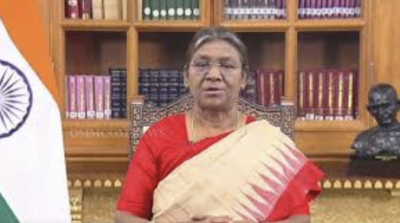
The 9th International Santal Conference was held in Darjeeling, West Bengal, denoting the history, language, script and cultural identity of the Santal community. The event also underlined the role of tribal communities in preserving nature, traditions and social harmony while advancing through education and development.
Santal Historical Legacy
The conference recalled the long history of resistance associated with the Santal community. Tilka Majhi is remembered for leading an early revolt against exploitation nearly 240 years ago. Later, Sido-Kanhu, Chand-Bhairav and Phoolo-Jhano led the Santal Hul in 1855. These movements remain central to Santal collective memory and identity.
Language and Constitutional Recognition
A key theme was the progress of the Santali language. In 2003, Santali was included in the Eighth Schedule of the Constitution of India, giving it constitutional recognition. The Constitution of India in Santali, written in the Ol Chiki script, was also released recently, strengthening linguistic pride and access.
Ol Chiki Script and Literary Contribution
Pandit Raghunath Murmu invented the Ol Chiki script in 1925. His work gave Santali speakers a distinct writing system and helped expand literary expression. He also wrote plays such as
- Bidu Chandan
- Kherwal Veer
- Dalege Dhan
- Sido Kanhu Santal Hul
These works promoted literature and social awareness within the community.
Tribal Development and Cultural Preservation
The conference stressed that tribal communities should preserve their language, folk music, dances and traditions while embracing modern development. It brought into light the importance of education, health, skill development and economic empowerment for tribal youth. It also emphasised nature conservation, unity and fraternity as foundations of an empowered society and a strong India.
Last Modified: April 28, 2026