
The Ganges, often referred to as the Ganga, is more than just a river in India; it is a spiritual and cultural lifeline for millions. Flowing through the heart of the country, the banks of the Ganga are adorned with numerous significant places that hold historical, religious, and cultural importance.
Varanasi: The Spiritual Heartbeat
- Location: Uttar Pradesh
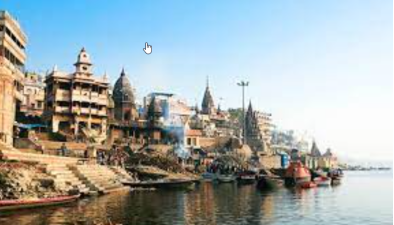
Varanasi, also known as Kashi or Banaras, stands as the quintessential spiritual city on the banks of the Ganga. The ghats, steps leading to the river, are the epicenter of religious ceremonies, including the famous Ganga Aarti. The Kashi Vishwanath Temple, one of the holiest Hindu temples dedicated to Lord Shiva, is a prominent landmark. The narrow alleys of Varanasi resonate with history, spirituality, and the cycle of life and death.
Haridwar: Gateway to the Divine
- Location: Uttarakhand
Haridwar, meaning the “Gateway to God,” is where the Ganga leaves the mountains and enters the plains. The Har Ki Pauri ghat is believed to be the spot where Lord Vishnu left his footprint. The Kumbh Mela, a grand religious festival, is hosted here every twelve years, attracting millions of pilgrims. The Ganga Aarti at Har Ki Pauri is a mesmerizing spectacle that draws devotees from far and wide.
Rishikesh: Yoga Capital by the Ganges
- Location: Uttarakhand
Known as the Yoga Capital of the World, Rishikesh is nestled on the banks of the Ganga amid the Himalayas. The iconic Laxman Jhula and Ram Jhula, suspension bridges across the river, offer stunning views of the surroundings. Rishikesh is a hub for spiritual seekers, yoga enthusiasts, and adventure lovers. The tranquil atmosphere, ashrams, and the Beatles Ashram make it a haven for those seeking solace and enlightenment.
Allahabad (Prayagraj): Confluence of Three Rivers
- Location: Uttar Pradesh
Allahabad, recently renamed Prayagraj, holds immense religious significance as it is the point of confluence of the Ganga, Yamuna, and the mythical Saraswati rivers. The Sangam, where these rivers meet, is the site for the Kumbh Mela as well. The city is dotted with historical structures like the Allahabad Fort and the iconic Triveni Sangam.
Patna: Ancient City on the Banks
- Location: Bihar
As the capital of Bihar, Patna has a rich historical heritage along the banks of the Ganga. The Mahatma Gandhi Setu, one of the longest river bridges in the world, connects Patna with Hajipur. The city boasts archaeological sites like Pataliputra, the ancient capital of the Mauryan Empire. The Ganga Riverfront Development has added a modern touch to the city while preserving its cultural roots.
Kolkata: The City of Joy on the Delta
- Location: West Bengal
Kolkata, situated at the delta of the Ganga, is a cultural melting pot. The Howrah Bridge stands as an iconic symbol connecting the city with its twin, Howrah. The Dakshineswar Kali Temple on the eastern bank and Belur Math on the western bank are spiritual landmarks. The annual Ganga Sagar Mela, held at the Sagar Island where the river meets the Bay of Bengal, attracts pilgrims and tourists alike.
Key Data Table: Important Facts about the Ganga River
| Aspect | Data |
| Length | 2,525 kilometers |
| Source | Gangotri Glacier, Uttarakhand |
| Flow | North to South |
| Religious Significance | Considered sacred by Hindus |
| Biodiversity | Home to diverse aquatic species |
| Pollution | Faces challenges due to industrial and urban runoff |
| Conservation Efforts | Various initiatives like Namami Gange |
The Ganga, beyond being a river, is a cultural tapestry woven with threads of spirituality, history, and tradition. The places along its banks not only reflect the rich heritage of India but also serve as custodians of environmental and religious consciousness.
Last Modified: December 23, 2024