
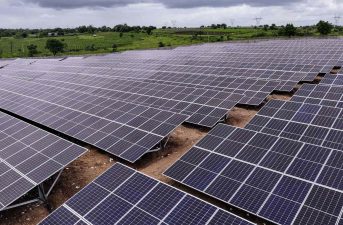
India’s energy landscape is witnessing a quiet revolution in its villages through the PM-KUSUM scheme. Launched in 2019, this initiative aims to turn farmers from mere electricity consumers into energy producers. It supports solar power use in agriculture to reduce costs, environmental harm, and improve rural incomes. The scheme is crucial for India’s renewable energy goals and rural development.
Design and Objectives of PM-KUSUM
PM-KUSUM has three components – – Part A allows farmers and cooperatives to set up small solar plants (up to 2 MW) and sell power to electricity distributors (DISCOMs). – Part B promotes standalone solar pumps to replace diesel irrigation pumps. – Part C adds solar panels to existing grid-connected pumps so farmers can sell surplus power back to the grid. The funding model includes a 60% subsidy from the Centre and states, 30% institutional loans, and 10% farmer contribution. This mix encourages ownership while keeping costs manageable. The scheme aims to reduce diesel use, ease financial stress on DISCOMs, and support climate goals.
Implementation and Progress
PM-KUSUM has installed over 900,000 solar pumps and added more than 10 GW of renewable capacity. Some states like Rajasthan and Maharashtra have aggressively solarised agricultural feeders, moving from individual pumps to system-level changes. However, challenges remain due to credit issues, administrative delays, and hesitation by DISCOMs to buy solar power. The scheme is embedded in wider agricultural infrastructure funding, showing government commitment beyond a pilot phase.
Challenges and Concerns
The scheme’s success depends on regulatory improvements and groundwater management. Reliable daytime power can increase water extraction, worsening aquifer depletion if unchecked. Small and tenant farmers often face difficulties due to land ownership rules and upfront costs. Also, benefits from selling surplus electricity mainly go to large landowners. Financially weak DISCOMs sometimes resist purchasing decentralised solar power, affecting implementation.
Impact on Climate and Rural Economy
PM-KUSUM supports India’s climate targets by expanding renewable energy and reducing diesel use. It shifts farmers from subsidy recipients to energy producers, encouraging productive use of assets. If groundwater protection and fair access improve, PM-KUSUM could become a landmark rural policy. Its true impact lies in changing everyday farming and energy use practices in India’s dry regions.
Topics for Prelims:
PM-KUSUM Scheme
- Started in 2019 to promote solar energy in agriculture.
- Three components – decentralised solar plants, solar pumps, solarisation of grid pumps.
- Funding – 60% subsidy, 30% loan, 10% farmer contribution.
- Installed capacity over 10 GW and 9 lakh solar pumps.
- Focus on reducing diesel use and supporting rural incomes.
Challenges in Agricultural Solarisation
- Groundwater overuse risk due to reliable daytime power.
- Land ownership issues limit small and tenant farmer access.
- DISCOMs’ financial stress and reluctance to buy solar power.
- Administrative delays and credit access hurdles.
- Unequal benefits favouring large landowners.
Renewable Energy and Rural Development
- Solar pumps reduce carbon emissions compared to diesel.
- Decentralised solar plants empower farmers as producers.
- Supports India’s non-fossil fuel energy capacity goals.
- Integration with Agriculture Infrastructure Fund for scale.
- Potential to transform rural energy and agriculture economy.
Questions for Mains:
- Critically discuss the role of PM-KUSUM in transforming India’s agricultural energy sector and its impact on rural livelihoods. [GS-III-Economic Development]
- Examine the challenges of groundwater management in the context of solar-powered irrigation and suggest policy measures to address them. [GS-III-Environment & DM]
- Analyse how decentralised renewable energy projects like PM-KUSUM can influence the financial health of electricity distribution companies in India. [GS-III-Economic Development]
- Estimate the socio-economic implications of land ownership patterns on the equitable distribution of benefits under schemes like PM-KUSUM. [GS-II-Social Justice]
Answer Hints:
1. Critically discuss the role of PM-KUSUM in transforming India’s agricultural energy sector and its impact on rural livelihoods. [GS-III-Economic Development]
- PM-KUSUM promotes decentralised solar power generation, turning farmers from energy consumers into producers.
- Three components – small solar plants, standalone solar pumps, and solarisation of grid-connected pumps enabling power sale to DISCOMs.
- Reduces diesel dependence, lowering carbon emissions and rural energy costs.
- Financial model (60% subsidy, 30% loan, 10% farmer contribution) encourages ownership and affordability.
- Installed capacity over 10 GW with 9 lakh solar pumps, improving irrigation reliability and rural incomes.
- Challenges include administrative delays, credit access, and uneven state-level implementation affecting overall impact.
2. Examine the challenges of groundwater management in the context of solar-powered irrigation and suggest policy measures to address them. [GS-III-Environment & DM]
- Solar pumps provide reliable daytime power, increasing risk of groundwater over-extraction and aquifer depletion.
- Current regulatory frameworks often lack effective groundwater usage monitoring and control.
- Land and water rights issues complicate equitable resource management.
- Policy measures – integrate solarisation with groundwater regulation, promote water-efficient irrigation technologies (drip, sprinkler).
- Encourage community-based aquifer management and incentivize water conservation practices.
- Link solar subsidies with groundwater usage caps and use technology for real-time monitoring of extraction.
3. Analyse how decentralised renewable energy projects like PM-KUSUM can influence the financial health of electricity distribution companies in India. [GS-III-Economic Development]
- PM-KUSUM reduces agricultural electricity subsidies burden on DISCOMs by promoting farmer-owned solar generation.
- Decentralised solar power can lower transmission losses and improve grid stability if integrated well.
- However, DISCOMs face reluctance in buying decentralised solar power at fixed prices, affecting project viability.
- Financially stressed DISCOMs may delay payments or resist feeder-level solarisation, limiting benefits.
- Successful implementation depends on strong state governance and regulatory support to ensure timely payments and grid integration.
- Long-term, decentralised renewables could improve DISCOMs’ revenue streams and reduce subsidy liabilities.
4. Estimate the socio-economic implications of land ownership patterns on the equitable distribution of benefits under schemes like PM-KUSUM. [GS-II-Social Justice]
- Land ownership is crucial as only landowners can avail Components A and C, excluding tenant and landless farmers.
- Small and marginal farmers often lack land titles or bank access, making the 10% contribution barrier .
- Large landowners benefit disproportionately by selling surplus power and gaining higher incomes.
- Tenant farmers and sharecroppers remain marginalized, limiting social equity and inclusion.
- Policy gaps in addressing land tenure and credit access hinder fair distribution of scheme benefits.
- Need for targeted support, tenure reforms, and inclusive financing to ensure equitable participation and benefits.