
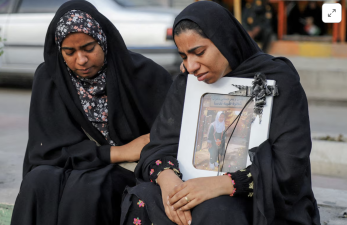
Recent news reports reveal that a missile struck a girls’ primary school in Minab, southern Iran, killing around 150 people and injuring nearly 100. Most victims were schoolchildren. The attack occurred amid coordinated strikes by the U.S. and Israel on Iran in early 2026. UNESCO condemned this as a serious violation of International Humanitarian Law (IHL), which prohibits attacks on civilians and civilian objects during armed conflict.
Legal Framework of Use of Force
The UN Charter (1945) restricts the use of force by states. Article 2(4) prohibits force against another state’s territorial integrity or political independence. Only the UN Security Council can authorise force except in self-defence under Article 51. Self-defence applies only after an armed attack. The U.S. and Israel claimed their strikes were pre-emptive against an imminent Iranian threat. However, Iran had not recently attacked either state. The anticipatory self-defence argument requires clear evidence of intent, capability, and necessity, which is lacking. Thus, these strikes face serious legal challenges.
International Humanitarian Law Principles
IHL governs conduct during war, focusing on humane treatment and limiting suffering. It is based on four principles – distinction, proportionality, military necessity, and precaution. Distinction demands differentiating combatants and military targets from civilians and civilian objects like schools. Attacking a school without military use violates this principle. Proportionality forbids excessive civilian harm relative to military gain. Precaution mandates all feasible steps to minimise civilian harm. No evidence suggests the school in Minab was a military target, making the attack a probable IHL violation.
Consequences and Accountability
IHL violations such as targeting civilians or schools can constitute war crimes under the Rome Statute. Even incidental civilian harm must meet strict proportionality and necessity tests. International law demands states justify their actions and face scrutiny. Despite frequent breaches, international law remains vital for global accountability. It compels states to explain and defend their conduct, helping to limit impunity and protect human rights during conflict.
Role of International Law Today
International law is not perfect but essential for regulating state behaviour. It supports peace, security, and human dignity. Violations, especially against children and schools, show the urgent need for states to respect legal norms. The law’s power lies in holding violators accountable and condemning unlawful acts. Upholding IHL protects future generations from the horrors of war.
Topics for Prelims:
International Humanitarian Law (IHL)
- Codified by Geneva Conventions (1949) and customary law.
- Protects civilians, wounded, prisoners, and civilian objects.
- Four core principles – distinction, proportionality, military necessity, precaution.
- Prohibits attacks on schools and hospitals unless used militarily.
- Violations may constitute war crimes under Rome Statute.
UN Charter and Use of Force
- Article 2(4) bans force against territorial integrity or political independence.
- UN Security Council authorises force except for self-defence.
- Article 51 permits self-defence only after an armed attack.
- Pre-emptive or anticipatory self-defence is legally disputed.
- Use of force must meet necessity, proportionality, and immediacy criteria.
Minab School Attack
- Missile strike killed ~150 and injured ~100, mostly children.
- Occurred during US-Israel coordinated strikes on Iran.
- UNESCO condemned the attack as an IHL violation.
- No evidence of military use of the school found.
- Raises questions on proportionality and precaution in military operations.
Questions for Mains:
- Critically discuss the legal limitations on the use of force under the UN Charter and their relevance in modern interstate conflicts. [GS-II-International Relations]
- Analyse the principles of International Humanitarian Law and their application in protecting civilians during armed conflicts, citing recent examples. [GS-II-International Relations]
- Examine the challenges of enforcing International Humanitarian Law in contemporary warfare and suggest measures to enhance compliance. [GS-II-Governance]
- Point out the role of international organisations like UNESCO and the International Criminal Court in addressing war crimes and protecting human rights during conflicts. [GS-II-International Relations]
Answer Hints:
1. Critically discuss the legal limitations on the use of force under the UN Charter and their relevance in modern interstate conflicts. [GS-II-International Relations]
- Article 2(4) of the UN Charter prohibits use of force against territorial integrity or political independence of states.
- Only UN Security Council can authorise use of force except in self-defence under Article 51.
- Self-defence is permitted only after an actual armed attack; pre-emptive or anticipatory self-defence is legally disputed.
- Modern conflicts often involve claims of imminent threats, challenging traditional interpretations of self-defence.
- Case study – US-Israel strikes on Iran lacked clear evidence of imminent armed attack, raising legal concerns.
- Legal limitations aim to maintain international peace but face challenges due to evolving security threats and unilateral actions.
2. Analyse the principles of International Humanitarian Law and their application in protecting civilians during armed conflicts, citing recent examples. [GS-II-International Relations]
- IHL is based on four core principles – distinction, proportionality, military necessity, and precaution.
- Distinction requires separating combatants/military targets from civilians and civilian objects (e.g., schools, hospitals).
- Proportionality forbids excessive civilian harm relative to anticipated military advantage.
- Precaution mandates all feasible measures to minimize civilian casualties and damage.
- Example – The missile strike on Minab girls’ school violated distinction and proportionality principles.
- Intentional targeting or failure to protect civilians can constitute war crimes under the Rome Statute.
3. Examine the challenges of enforcing International Humanitarian Law in contemporary warfare and suggest measures to enhance compliance. [GS-II-Governance]
- Asymmetric warfare, non-state actors, and blurred combatant-civilian lines complicate enforcement of IHL.
- Lack of political will and strategic interests often lead to violations and impunity.
- Limited capacity of international courts and enforcement mechanisms weakens accountability.
- Challenges in verifying facts and evidence in conflict zones hinder prosecution of violations.
- Measures to enhance compliance – strengthen international monitoring, increase state accountability, support ICC jurisdiction, and promote training of armed forces on IHL.
- Encourage diplomatic pressure and sanctions against violators to uphold legal norms.
4. Point out the role of international organisations like UNESCO and the International Criminal Court in addressing war crimes and protecting human rights during conflicts. [GS-II-International Relations]
- UNESCO advocates protection of cultural heritage, education, and civilian infrastructure during conflicts.
- It condemns violations like attacks on schools and promotes awareness of IHL principles.
- The International Criminal Court (ICC) prosecutes individuals for war crimes, including intentional attacks on civilians and schools.
- ICC’s Rome Statute defines war crimes and provides legal framework for accountability.
- Both organisations contribute to global norms enforcement and victim protection through advocacy, investigation, and legal action.
- They enhance international accountability by documenting violations and pressuring states to comply with humanitarian law.