
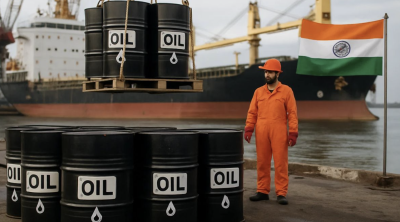
India’s soybean imports increased sharply during the 2025-26 oil year, driven by rising domestic demand and supply constraints. The oil year runs from October 2025 to September 2026. Imports reached an estimated 1.2 million tonnes, marking a significant rise compared to previous years.
Import Volume and Sources
India imported around 1.2 million tonnes of soybeans in the 2025-26 oil year. Major suppliers included the United States, Brazil, and Argentina. The United States accounted for approximately 45% of total imports, Brazil 35%, and Argentina 20%. Import volumes rose by nearly 40% compared to the 2024-25 oil year.
Domestic Production and Demand
Domestic soybean production declined due to erratic monsoon patterns and reduced acreage in key growing states like Madhya Pradesh and Maharashtra. Total production for 2025-26 was estimated at 11 million tonnes, down from 12.5 million tonnes in the previous year. Rising demand from the edible oil and animal feed sectors increased pressure on domestic supplies.
Policy and Trade Measures
The government maintained zero import duty on soybeans to ease supply shortages. Importers benefited from relaxed phytosanitary regulations to expedite shipments. The Directorate General of Foreign Trade (DGFT) monitored import trends to manage price volatility. Export restrictions on soybeans remained in place to prioritise domestic consumption.
Price Trends and Market Impact
Soybean prices in India rose by 15% during the oil year due to supply-demand imbalance. Imported soybeans were priced competitively, influencing domestic market rates. The price rise affected edible oil production costs and feed prices for poultry and livestock industries.
What to Study for UPSC Exams?
- India’s Agricultural Trade Policies
- Phytosanitary Regulations in Agriculture
- Oilseed Crop Production Patterns
- Global Edible Oil Market Dynamics
India’s Agricultural Trade Policies
India uses tariff and non-tariff measures to regulate agricultural imports and exports. The government applies minimum export price (MEP) and export restrictions to stabilize domestic markets. Agricultural trade policies often align with food security and farmer welfare objectives, balancing global market integration with self-reliance.
Phytosanitary Regulations in Agriculture
Phytosanitary regulations prevent the spread of pests and diseases through plant imports and exports. The International Plant Protection Convention (IPPC) sets global standards. India’s regulations require quarantine certification and treatment protocols to ensure biosecurity and protect native crops.
Oilseed Crop Production Patterns
Oilseed crops include soybeans, groundnuts, and mustard, grown primarily in tropical and subtropical zones. Production varies with monsoon rainfall, soil type, and cropping cycles. India’s major oilseed-producing states are Madhya Pradesh, Rajasthan, and Maharashtra, contributing over 70% of output.
Global Edible Oil Market Dynamics
The global edible oil market is dominated by palm, soybean, and sunflower oils. Price fluctuations depend on weather, trade policies, and demand shifts in major consumers like China and India. Indonesia and Malaysia lead palm oil exports, while the US and Brazil dominate soybean oil production.
Last Modified: April 14, 2026