
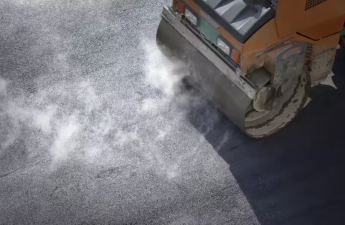
Steel slag-based technology is being promoted for sustainable road construction and pothole repair, especially in hilly and rain-prone regions. A new agreement has enabled the commercial rollout of ECOFIX, a ready-to-use pothole repair mix developed by CSIR–Central Road Research Institute and supported by the Technology Development Board. The initiative aims to convert industrial waste into a useful construction material while improving road durability and reducing repair time.
Focus on Himalayan and Hill Regions
Steel slag technology is considered highly suitable for Himalayan States and Union Territories because of difficult terrain, short working seasons, heavy rainfall and frequent road damage. However, adoption remains limited. To address this gap, workshops are being planned to familiarise engineers and road construction officials with the technology and its practical benefits.
ECOFIX and Commercial Rollout
ECOFIX is designed as a ready-to-use pothole repair mix that can be applied even in wet or waterlogged conditions. It has undergone laboratory validation and field testing under Indian climatic and traffic conditions. Studies indicate that it offers better durability and lower lifecycle costs than conventional repair methods. The commercial agreement will support market deployment of the product.
Technology Journey and Early Adoption
Trials of the steel slag-based solution began around two years ago through pilot projects in Surat and parts of the Northeast, including Arunachal Pradesh. Since then, the technology has been used in varying degrees in Karnataka, Uttar Pradesh, Assam, Gujarat, Jharkhand and Andhra Pradesh. Officials say wider awareness is still needed, including among senior engineers in some states.
Industrial Waste to Circular Economy
The technology uses processed iron and steel slag, helping reduce dependence on natural aggregates and addressing industrial waste disposal. The planned processing facility will have an annual capacity of nearly two lakh tonnes and is expected to begin commercial production by the end of 2027. The project is also expected to generate direct and indirect employment.
Last Modified: April 27, 2026