
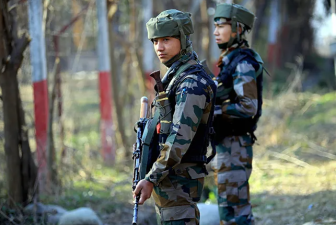
The Indian Army launched a digital application called ‘Q-FORCE’ on May 22, 2026, to modernise its logistics, supply chain, and sustainment management operations. Developed as an integrated enterprise platform, the software resolves technical silos by linking multiple standalone logistics and inventory systems under a single operational network. The deployment aims to shorten processing timelines, eliminate administrative duplications, and provide data-driven support to troops deployed across diverse geopolitical zones. This technological transition supports the military’s broader structural shift toward net-centric warfare and automated resource oversight.
Core Capabilities and Functional Modules
The application functions as a unified digital interface that tracks, schedules, and optimises the movement of essential military assets. It covers critical rear-line and front-line operations through specialized modules.
Supply Chain Integration
The software aggregates data from legacy inventory networks, depots, and localized ordnance units. This gives field commanders clear visibility over stock baselines, automated reorder thresholds, and historical consumption rates. It tracks critical items like ammunition, spare parts, rations, and specialized clothing.
Transport and Fleet Optimization
The transport subsystem coordinates vehicle dispatches, optimizes route planning based on terrain vulnerabilities, and manages fuel footprints. By calculating payload metrics and transit variables, the platform improves total convoy utilization and reduces mechanical transit delays.
Sustainment and Operational Support
Sustainment systems maintain combat effectiveness over long periods. Q-FORCE automates workflows for field medical networks, engineering assets, and repair workshops, ensuring that units receive continuous supply deliveries during regular deployment or sudden operational mobilizations.
Strategic Terrain Adaptation
The platform includes features designed to handle the geographical and climate complexities of the Indian borders.
- High-Altitude Zones: Optimizes supply allocation and storage parameters for cold-weather equipment, oxygen reserves, and special high-altitude rations across the Himalayas, including Ladakh and Sikkim.
- Desert Formations: Modulates vehicle maintenance schedules, water purification distribution networks, and dust-resistant storage tracking for units operating along the international border in Rajasthan.
- Riverine and Jungle Terrains: Enhances tracking in areas with limited physical access, such as the Northeast, by calculating route alternatives during monsoon infrastructure breakdowns.
Administrative and Operational Benefits
Transitioning from manual or fragmented ledger tracking to an integrated data model delivers verifiable operational benefits.
| Parameter | Legacy Logistical Framework | Q-FORCE Digitized System |
| Data Visibility | Fragmented across independent unit platforms | Centralized via a common logistics picture |
| Workflow Efficiency | Multi-tiered physical or localized approvals | Automated digital routing and approvals |
| Asset Tracking | Periodic, ledger-based status updates | Verified tracking across transit routes |
| Decision Support | Subjective planning with high margin of error | Quantitative planning powered by data models |
IASPOINT Booster Facts for UPSC
- Concept of Net-Centric Warfare: A military doctrine that links dispersed geographic forces via high-speed communications and data networks to improve situational awareness and accelerate the decision-making cycle.
- Sustainment in Military Science: The architectural function of generating, deploying, and maintaining military forces through logistics, personnel services, and operational health support.
- Project AIDSS Connection: The Army Integrated Decision Support System (AIDSS) is a larger defense software initiative designed to give commanders a shared picture of operations, intelligence, and operational logistics.
- Related Digital Initiatives: The Indian Army uses several specialized software networks, such as CICP (Critical Information Infrastructure Protection), Dhanush (artillery inventory), and SAMARTH (personnel management systems).
- Nodal Directorate Oversight: The Master General of Sustenance (MGS) branch holds primary institutional accountability for the procurement, storage, and distribution of sustenance stores for the Indian Army.