
A new flowering plant species, Dicliptera pakhalica, has been identified in Pakhal Wildlife Sanctuary in Mahbubabad district, Telangana. The species belongs to the Acanthaceae family and has been formally described in the botanical journal Brittonia. The discovery adds to the floral diversity of the Eastern Ghats region and marks the ecological value of the sanctuary’s stream banks and rocky waterfall zones.
Discovery and Habitat
The plant was recorded during floristic surveys in the Pandem East Beat of the Gangaram Range. It was found growing near streams and rocky areas close to waterfalls. Such habitats often support a rich mix of native plant species and specialised micro-ecosystems.
Taxonomic Identification
Dicliptera pakhalica resembles Dicliptera parvibracteata, a species found in parts of Andhra Pradesh and Odisha. However, detailed study of field specimens, herbarium material and literature confirmed key differences.
- Adpressed, deflexed hairiness on the stem.
- Unkeeled bracts.
- Absence of glandular hairs on floral parts and fruit.
- An obovoid capsule.
- Echinate, or spiny, seeds.
These features establish it as a distinct species.
Distribution and Ecology
The genus Dicliptera is species-rich within the Acanthaceae family and has more than 220 species worldwide. In India, 29 taxa are known. Dicliptera pakhalica is currently known only from its type locality in Pakhal Wildlife Sanctuary. It flowers from November to January and fruits from December to March. It grows with species such as Tarenna asiatica, Eranthemum purpurascens, Ruellia prostrata and Mallotus philippensis.
Conservation Significance
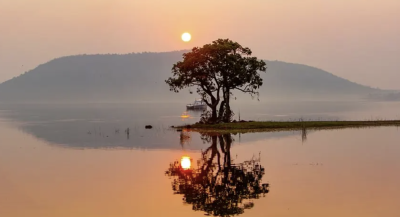
Because the species has so far been recorded only from one locality, it has been classified as Data Deficient under IUCN guidelines. This indicates the need for further surveys to determine its full distribution, population size and threat status. The discovery also reinforces Telangana’s importance as a centre of plant diversity in the Eastern Ghats. The species name pakhalica is derived from Pakhal Lake, a historic reservoir from the Kakatiya period.
Last Modified: April 27, 2026