
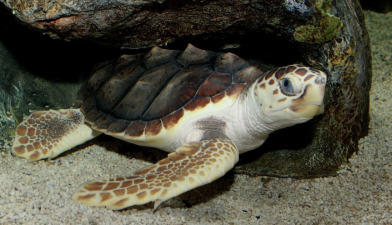
Climate change is altering the breeding biology of loggerhead turtles, one of the world’s most widespread sea turtle species. A long-term study from Cabo Verde, off the West African coast, shows that warming oceans are affecting their nesting timing, egg production, body size and reproductive frequency. The findings show how marine warming can reduce reproductive success even in populations that still appear abundant.
Key Findings of the Study
- Loggerhead turtles are nesting earlier in warmer years.
- Females are producing fewer eggs in each nest.
- Breeding intervals have increased from about two years to nearly four years.
- The turtles are also becoming smaller in size, which further lowers clutch size.
Why the Species Is Vulnerable
Loggerheads are capital breeders, meaning they depend on energy stored during long periods of foraging at sea. Satellite data on chlorophyll levels suggest that food availability in the Atlantic is declining. As marine productivity falls, turtles have less energy for reproduction. This weakens nesting output and may affect long-term population stability.
Climate Impacts on Sea Turtles
- Rising sea levels can erode or flood nesting beaches.
- Higher sand temperatures can skew hatchling sex ratios towards females.
- Ocean circulation changes can disrupt migration routes.
- Hatchling dispersal may also be affected by altered currents.
Conservation Significance
Experts stress that sea turtle conservation must go beyond protecting nesting beaches. It must also include feeding grounds, migration corridors and wider marine ecosystems. The study shows that climate change can quietly reduce reproduction in species that seem stable, making long-term monitoring essential for conservation planning.
Last Modified: April 28, 2026