
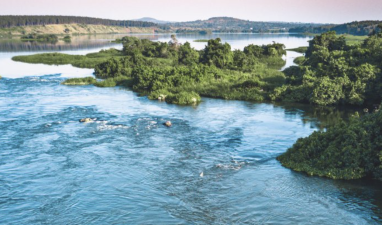
Lake Victoria, the world’s largest tropical lake, is undergoing severe eutrophication, with persistent cyanobacterial blooms turning large stretches of water toxic green. The lake supports millions of people across Kenya, Tanzania and Uganda through drinking water, fisheries and trade, but scientists warn that its ecological recovery may now be extremely difficult.
Drivers of Nutrient Pollution
Lake Victoria is receiving heavy nutrient loads of nitrogen and phosphorus from human activity across its basin. Major sources include:
- Domestic sewage and industrial wastewater.
- Agricultural run-off, including manure and fertilisers.
- Soil erosion and sediment inflow from degraded land.
- Solid waste and atmospheric deposition.
Wet seasons intensify the problem by washing accumulated pollutants into the lake through rivers such as the Nzoia and Nyando.
Long Ecological Decline
Sediment studies show that anthropogenic eutrophication began around 1920. Between 1920 and 1990, primary production rose steadily. Since 1990, cyanobacteria have become dominant. The lake’s food web has also changed sharply, with a major decline in zooplankton biomass around 1960 and later losses in native fish communities. These shifts indicate that ecological damage has been building for decades.
Health and Fisheries Risks
Dominant cyanobacteria such as Microcystis produce microcystin, a liver-damaging toxin. In some areas, toxin levels exceed World Health Organization safety limits. The blooms are often hardest to detect near murky river mouths, increasing risk for local communities. The lake’s deeper zones now suffer oxygen depletion, creating dead zones that cannot support aquatic life.
Impact on Regional Livelihoods
Lake Victoria’s fishery produces more than 300,000 tonnes annually and supports an export industry worth about $600 million. It is central to food security and employment in the region. Sustained nutrient pollution, oxygen loss and changing bloom patterns now threaten fish stocks, processing industries and the long-term sustainability of the lake-based economy.
Last Modified: April 28, 2026