
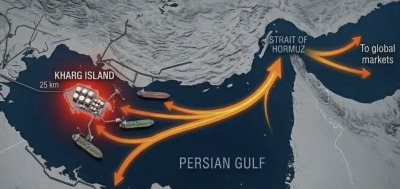
The strategic importance of Iran’s Kharg Island has returned to focus amid speculation over possible US action to disrupt Tehran’s oil exports. Kharg Island is Iran’s main oil export terminal and a key node in the country’s energy revenue system. Any move against it would have major implications for the Strait of Hormuz, global oil flows, and wider Middle East security.
Kharg Island’s Strategic Role
Kharg Island lies in the Persian Gulf and handles a large share of Iran’s crude oil exports. It is central to Iran’s ability to earn foreign exchange and finance state activity. The island’s facilities have long been considered a critical energy asset. During the Iran-Iraq War, it was heavily targeted because of its importance to oil shipments.
Strait of Hormuz and Energy Security
The Strait of Hormuz is one of the world’s most important maritime chokepoints. A share of global oil trade passes through it. Any disruption can raise crude prices, affect shipping insurance costs, and create uncertainty in energy markets. The current debate links pressure on Iran’s oil infrastructure with efforts to secure uninterrupted energy flows.
US Strategy and Regional Risks
The discussion reflects a broader US approach of weakening Iran’s capacity to fund its military and allied groups. However, any attempt to seize or strike Kharg Island would carry serious risks. Iranian missiles, drones, and naval assets could threaten US personnel and regional bases. Such action could also escalate into a wider conflict and further destabilise the Gulf region.
Global Market and Geopolitical Impact
Oil price volatility remains a major concern for importing countries. Even short-term disruption in the Gulf can affect inflation, transport costs, and energy policy decisions worldwide. The situation also marks the link between military pressure, maritime security, and the politics of global energy supply.
Last Modified: April 28, 2026