
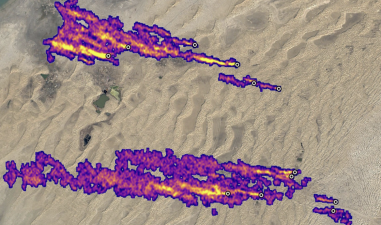
Methane emissions from oil and gas operations are emerging as a major climate concern, with new satellite-based analysis showing that a small number of sites account for some of the world’s highest release rates. Turkmenistan has the largest concentration of top methane-emitting sites in 2025, followed by locations in Iran, Venezuela, the United States, and Pakistan.
Key Findings from Satellite Analysis
The analysis, based on satellite data processed by Carbon Mapper and examined by the Stop Methane Project at the University of California, Los Angeles, identified 4,400 methane plumes across 2,489 oil and gas sites globally in 2025.
- 15 of the world’s top 25 methane emission sites were in Turkmenistan.
- Other major sites were found in Iran, Venezuela, Texas, and Sindh.
- The top 25 sites recorded hourly emission rates between 3.7 and 10.5 metric tonnes.
Why Methane Matters
Methane is a highly potent greenhouse gas. It remains in the atmosphere for about 12 years, but it traps much more heat than carbon dioxide in the short term. It is the main component of natural gas and is released during fossil fuel extraction, transport, and processing. The International Energy Agency says methane contributes about 30 per cent of the rise in global temperatures since the Industrial Revolution.
Climate Impact and Mitigation
A methane source emitting around 5 tonnes per hour can have a warming impact comparable to one million large sport utility vehicles or a 500-megawatt coal-fired power plant. The IEA estimates that more than 70 per cent of methane emissions from oil and gas operations can be technically reduced. Its Global Methane Tracker 2025 placed energy-sector methane emissions at about 145 million tonnes in 2024, with oil and gas responsible for more than 80 million tonnes.
India Link – Landfill Methane Emissions
Methane is not limited to fossil fuels. It is also released from wetlands, livestock, rice cultivation, landfills, and wastewater systems. In India, landfill sites have also been identified as major methane sources. The Ghazipur landfill in Delhi has previously been flagged as a super-emitter site, showing how unmanaged waste can intensify climate and public health risks.
Last Modified: April 29, 2026