
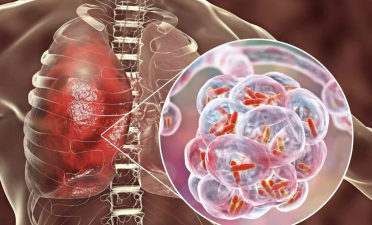
Legionnaires’ disease has re-emerged as a public health concern after clusters of cases were reported in major global cities, including London and New York City. The illness is a severe form of pneumonia caused by Legionella bacteria. It is not spread from person to person. Infection occurs when a person inhales contaminated water droplets from cooling towers, air-conditioning systems, fountains, plumbing networks, or other water installations. The outbreaks have brought into light the role of ageing infrastructure, poor maintenance, warm weather, and weak surveillance in urban disease spread.
What Is Legionnaires’ Disease?
Legionnaires’ disease is caused mainly by Legionella pneumophila. It can lead to serious lung infection and, in severe cases, death. Common symptoms include:
- High fever and chills.
- Persistent cough and breathlessness.
- Muscle pain and headache.
- Nausea, confusion, or weakness in severe cases.
Symptoms usually appear within 2 to 14 days after exposure. Antibiotics are effective if treatment begins early. The disease is more dangerous for older adults, smokers, and people with weak immunity.
Why Urban Outbreaks Are Rising
Recent investigations have linked outbreaks to contaminated cooling towers and large building water systems. These systems can aerosolise bacteria and spread it over a wide area. Dense cities with complex infrastructure face higher risk because:
- Water systems are large and interconnected.
- Maintenance lapses may go unnoticed.
- Warm stagnant water supports bacterial growth.
- Summer heat increases use of cooling systems.
Public Health Significance
The disease is largely preventable through routine inspection, cleaning, and disinfection of water systems. Public health agencies stress the need for:
- Regular testing of cooling towers.
- Control of water temperature.
- Prevention of stagnation in pipes and tanks.
- Rapid alerts and disinfection after detection.
The recent outbreaks show that water safety is a critical part of urban health security.
India’s Risk and Preparedness
India has reported sporadic cases, but large outbreaks are uncommon and may be underdiagnosed. Rapid urbanisation, hot weather, ageing buildings, and poorly maintained air-conditioning systems can increase risk. Hospitals, hotels, and large housing complexes are especially vulnerable. Stronger surveillance, better maintenance standards, and wider awareness are needed to reduce the chance of future outbreaks.
Last Modified: April 29, 2026