
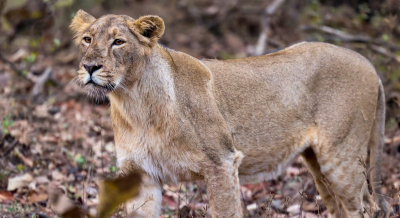
Two Asiatic lion cubs recently died in Gujarat’s Gir National Park due to a suspected infection of Babesia, a rare tick-borne parasitic disease. Concurrently, three adult Asiatic lions died in the landscape due to natural causes and territorial infighting. The Gujarat Forest Department clarified that these deaths are isolated incidents and do not indicate a widespread disease outbreak. Gir National Park and its surrounding landscape remain the only natural habitat for Asiatic lions globally. Veterinary teams have intensified monitoring across the sanctuary, deploying specialized field tracks to control tick infestations and isolate vulnerable prides.
Understanding Babesiosis
The Pathogen and Transmission
Babesiosis is a disease caused by microscopic parasites of the genus Babesia. These protozoan parasites infect and destroy red blood cells in mammals. The transmission occurs primarily through the bite of infected ixodid ticks, commonly known as hard ticks. When a tick feeds on an animal’s blood, the parasite enters the bloodstream, multiplies inside the erythrocytes (red blood cells), and causes them to rupture.
Symptoms and Impact on Wildlife
The destruction of red blood cells leads to severe hemolytic anemia, where the body lacks enough healthy red blood cells to carry oxygen. Infected animals exhibit high fever, lethargy, loss of appetite, jaundice, and hemoglobinuria (dark red or brown urine). In wild carnivores like lions, the disease weakens the immune system, making them highly vulnerable to secondary bacterial infections or starvation due to an inability to hunt.
Asiatic Lion Population and Ecological Challenges
Current Population Status
The Asiatic lion (Panthera leo persica) is genetically distinct from the African lion. According to the 2025 census conducted by the Gujarat Forest Department, the Asiatic lion population stands at 891 individuals, showing steady growth from previous decades. This entire population is concentrated within the Gir National Park, Gir Sanctuary, and adjoining community lands across Amreli, Junagadh, Gir Somnath, and Bhavnagar districts.
High Vulnerability to Epidemics
Because the entire wild population of Asiatic lions is confined to a single geographic landscape in Saurashtra, they face an extreme risk of localized extinction from epidemic outbreaks. A highly contagious pathogen can spread rapidly across prides due to shared territories and overlapping hunting grounds.
Past Disease Outbreaks in Gir
The threat of infectious diseases in Gir is well-documented. In 2018, an outbreak of Canine Distemper Virus (CDV) combined with Babesiosis killed over two dozen lions in the Dalkhaniya range of Gir. In 2020, another spike in Babesiosis led to multiple lion deaths. These incidents highlighted how tick-borne protozoal infections often act as co-infections alongside viral diseases, accelerating mortality rates in wild felids.
Comparative Profile: Asiatic Lion vs. African Lion
| Feature | Asiatic Lion (Panthera leo persica) | African Lion (Panthera leo leo / melanochaita) |
| Geographic Range | Confined entirely to Gujarat, India (Gir landscape) | Distributed across Sub-Saharan Africa |
| Mane Characteristics | Shorter, sparser mane; ears remain visible | Larger, fuller mane that covers the ears |
| Physical Feature | Longitudinal fold of skin running along its belly | Belly fold is rare or completely absent |
| Pride Size | Smaller prides; females separate from males | Larger prides; males and females live together |
| IUCN Status | Endangered | Vulnerable |
Wildlife Disease Management Strategies
Vector Control and Habitat Sanitation
Forest officials manage tick infestations by spraying eco-friendly ectoparasiticide treatments around water holes, regular tracking routes, and artificial solar-powered filling stations where lions frequently gather.
Vaccination and Genetic Safety Net
While there is no widespread vaccine for Babesiosis in wild populations, the forest department vaccinates lions against Canine Distemper Virus using imported shots during emergencies. To mitigate the risk of a single disease wiping out the species, conservationists recommend establishing a second geographically isolated population through translocation. Kuno National Park in Madhya Pradesh was originally selected for this purpose, though the translocation remains stalled.
IASPOINT Booster Facts for UPSC
- Taxonomy: The Asiatic lion is listed under Schedule I of the Wildlife Protection Act, 1972, granting it the highest level of legal protection in India.
- Parasite Mechanism: Babesia is an intraerythrocytic parasite, meaning it lives entirely inside the host’s red blood cells, confusing the host’s immune system.
- Vector Species: The primary tick vectors responsible for transmitting wildlife babesiosis belong to the Rhipicephalus and Haemaphysalis genera.
- The Poonam Avlokan: This is the monthly in-house estimation exercise conducted by the Gujarat Forest Department using a block count method on a full moon night to track lion movements and health indicators.
- Kuno Translocation Verdict: In 2013, the Supreme Court of India ruled in favor of translocating a segment of Asiatic lions from Gir to Kuno National Park to protect the species from catastrophic disasters like epidemics.