
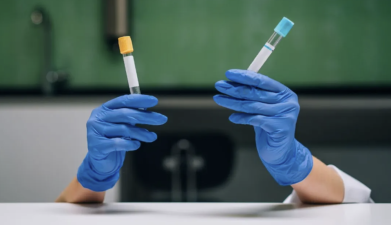
Gandhinagar is facing a typhoid outbreak after sewage contamination entered the drinking water network in several sectors of the city. Health officials have confirmed around 70 active cases, with the highest concentration in Sectors 24, 26, 28 and Adiwada. The outbreak has exposed weaknesses in the newly laid water supply system, despite a large public investment in round-the-clock supply infrastructure.
Outbreak and Affected Areas
Typhoid cases have risen steadily, with patients reporting high fever, stomach upset and other gastrointestinal symptoms. The Gandhinagar Civil Hospital has opened a 30-bed paediatric ward as a precaution. Doctors are seeing a continuous flow of patients, especially children. Officials have said the cases are being treated as a water-borne outbreak and early detection remains the priority.
Cause of Contamination
At least seven leaks have been identified in the pipeline network. These leaks have allowed sewage to mix with drinking water in areas where water and sewer lines run close together. Engineering officials have stated that high-pressure water exposed weak pipes, leading to leakage. Uncoordinated digging by contractors and cable companies has also damaged pipelines in some locations.
Containment Measures
The administration has started super-chlorination of the water supply and is collecting fresh water samples to check improvement. Leakages are being repaired, and officials have said the situation is expected to come under control soon. Medicines are available in hospitals, and outpatient checks have been intensified to identify new cases quickly.
Public Health Response
Around 40 surveillance teams have been deployed for door-to-door checks. They are distributing chlorine tablets and advising residents to boil water, avoid outside food and maintain hygiene. Hospital sources have said none of the admitted patients is in serious condition, and teams are in contact with affected families.
Last Modified: April 25, 2026