
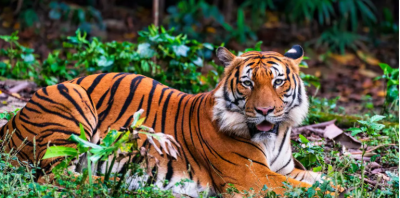
The Union environment ministry has proposed an Eco-Sensitive Zone around Karnataka’s Kali Tiger Reserve to strengthen conservation in one of the biologically rich parts of the Western Ghats. The draft notification covers 663.32 square kilometres and seeks to reduce human pressure on forests, wildlife habitats and river catchments. The proposal is aimed at protecting biodiversity while allowing regulated development around the reserve.
Protection of a Critical Landscape
The Kali Tiger Reserve supports tigers, leopards, elephants and several other species. It also forms an important part of the Kali River catchment and its tributaries. The reserve lies in the ecologically sensitive Western Ghats, which are recognised for high levels of endemism and forest cover. The ESZ is intended to act as a buffer against activities that may disturb wildlife movement, habitat quality and ecological balance.
What an Eco-Sensitive Zone Means
- An ESZ is notified around protected areas to regulate harmful activities.
- It usually extends up to 10 kilometres from the boundary, though the width can vary.
- The aim is to control mining, industrial expansion, polluting units and unplanned construction.
- It helps create a transition zone between intensive human use and core wildlife habitat.
Draft Boundary and Stakeholder Process
The proposed ESZ around Kali Tiger Reserve leaves the northern and north-western parts unmarked because of the proximity of Bhimagad Wildlife Sanctuary. The draft notification has been opened for stakeholder comments, and views can be submitted within 60 days. This consultation process is part of the formal procedure before final notification.
Significance for Conservation Policy
The proposal reflects the wider policy approach of balancing conservation with sustainable local development. For the Western Ghats, such zones are important for protecting forests, river systems and wildlife corridors. The notification also marks the growing use of buffer-based conservation tools to safeguard endangered species and maintain long-term ecological stability.
Last Modified: April 27, 2026