
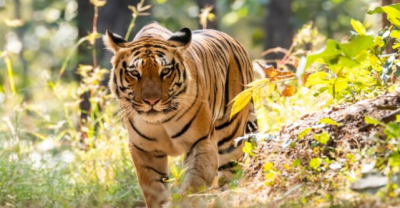
Indravati Tiger Reserve in Chhattisgarh is set to reopen to tourists after years of restricted access caused by Left-Wing Extremism in Bastar. The move marks a shift from conflict-driven limitations towards conservation, wildlife protection and eco-tourism. Authorities are now preparing infrastructure and local participation plans to make the reserve accessible in a controlled and sustainable manner.
Background of the Reserve
Indravati Tiger Reserve is one of the most important protected areas in central India. It is known for its rich forest ecosystem and for being among the last natural habitats of the endangered wild water buffalo. The reserve had remained largely out of bounds for visitors and even for routine administrative movement because of security concerns linked to Maoist activity.
Eco-Tourism Development Plan
The forest department is preparing a comprehensive eco-tourism plan for the reserve. The focus is on balancing conservation with community involvement. A key proposal is the development of a tourism village along the Indravati riverbank. This village is expected to give visitors an experience of tribal culture, forest life and the natural landscape of the region.
Access Routes and Local Participation
Two access points are being developed for tourists. One entry route is planned through the Kutru–Farsegarh corridor, while another has been proposed via Bhopalpatnam–Mattimarka. Local youth from Mattimarka village are being trained to support tourism services and related economic activities. This is expected to create livelihood opportunities and improve local participation in conservation-linked development.
Security, Normalcy and Conservation
The reopening has become possible as the Maoist threat has declined due to sustained security operations and development outreach. Officials see the initiative as both an ecological milestone and a sign of returning normalcy in a region long affected by insurgency. The move also reflects a broader effort to promote responsible tourism in forested and sensitive areas.
Last Modified: April 28, 2026