
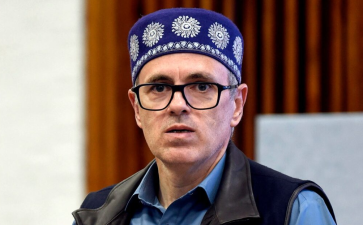
The Jammu and Kashmir Cabinet approved capital outlays totaling ₹93 crore on 15 May 2026 to modernize the power transmission and distribution network in Srinagar and its surrounding districts. The fiscal sanctions were finalized during the sixth meeting of the Council of Ministers, presided over by Chief Minister Omar Abdullah. The core objectives of these structural interventions are to scale up existing substation capacities, reduce technical and commercial transmission bottlenecks, and stabilize the regional electricity grid ahead of high-demand seasonal loads.
Technological Augmentation of Grid Infrastructure
The primary capital component is dedicated to upgrading critical substation nodes that feed energy to the Srinagar valley.
Zainakote Grid Sub Station Upgradation
- Capacity Expansion: The cabinet sanctioned ₹67.66 crore for the augmentation of the Zainakote Grid Sub Station. Its operational handling capacity will scale from 450 Megavolt-Ampere (MVA) to 780 MVA.
- Engineering Scope: The project involves replacing six aging 50 MVA auto-transformers (220/132 KV) with six modern 105 MVA auto-transformers. This setup includes a dedicated 105 MVA spare unit to guarantee operational redundancy.
- Systemic Benefits: This capacity upgrade relieves overloading across northern and western grid corridors, reducing accidental cascading trippings.
Transmission Line Upgradations and Capacity Enforcement
To facilitate bulk electricity transfer without thermal overload, the cabinet sanctioned ₹25.47 crore for high-voltage line corridors.
Identified High-Voltage Corridors
- Pampore-Rawalpora Transmission Link: Structural uprating of the existing 132 kilovolt (KV) overhead line to manage bulk wheeling from southern generation pools.
- Rawalpora-Bemina Transmission Link: Upgradation of the 132 KV internal circuit link to secure reliable double-circuit feeding into core urban distribution rings.
Expected Physical Outcomes
- Reduction in Outages: These upgrades address voltage drop variations during peak load cycles.
- Thermal Capacity Enhancement: Uprating conductors allows higher current density processing without structural sagging risks on lines.
Regional Power Context and Institutional Framework
The execution of these grid assets falls under the administrative jurisdiction of the Jammu and Kashmir Power Development Department (JKPDD) through its Transmission Line Maintenance and Generation wings.
| Project Component | Financial Outlay | Technical Transition Parameters | Target Command Area |
| Zainakote Grid Sub Station | ₹67.66 crore | 450 MVA to 780 MVA (220/132/11 KV transition) | Srinagar North, Budgam, and peripheral industrial nodes |
| Pampore-Rawalpora & Rawalpora-Bemina Lines | ₹25.47 crore | Uprating 132 KV high-voltage distribution lines | Srinagar South, Central Commercial Hubs, and Bemina Ring |
IASPOINT Booster Facts for UPSC
- Megavolt-Ampere (MVA): MVA is the standard unit used to measure apparent power in large electrical networks. It represents the vector sum of active power (Megawatts) and reactive power (Megavar).
- High Voltage Transmission Levels: In Indian grid standards, transmission voltages equal to or exceeding 132 KV are designated for bulk inter-pool energy transfers, while lower configurations like 33 KV or 11 KV feed regional distribution transformers.
- Hydro Potential vs. Transmission Gap: Jammu and Kashmir possesses an estimated run-of-the-river hydropower potential of roughly 20,000 Megawatts. However, peak-winter demand management is constrained by structural bottlenecks in downstream transmission, which the 2026 Zainakote and Pampore upgrades aim to resolve.
- Concurrent Civic Approvals: Along with these power sector approvals, the May 2026 cabinet session cleared a ₹361 crore allocation for an 800 Ton Per Day (TPD) Integrated Solid Waste Management Project at Achan, Srinagar, and granted land buffer relaxations for the completion of the Sub-District Hospital in Hazratbal under the Srinagar Master Plan 2035.