
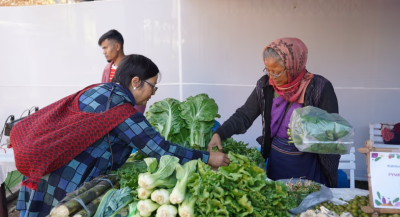
The Department of Agriculture in Meghalaya hosted the fifth edition of its flagship Farmers’ Market in Shillong to showcase fresh organic produce, indigenous ingredients, and traditional food products. Supported by the Meghalaya Farmers’ Empowerment Commission, the initiative enables direct marketing channels that allow rural cultivators from the Khasi and Jaintia Hills to bypass traditional intermediaries and secure better prices. This state-led market event strengthens rural livelihoods, improves structural visibility for local agrarian goods, and matches urban consumer demand directly with tribal farming communities.
Mechanism of the Farmers’ Market Initiative
Direct-to-Consumer Marketing Channels
The structural core of the Farmers’ Market revolves around removing middlemen from the agricultural supply chain. By setting up physical marketplace infrastructure directly in urban centers like Shillong, the state government allows farmers to retain the full retail value of their produce rather than selling at lower wholesale rates to commission agents.
Institutional Framework
Two main state bodies manage and fund these market interventions:
- Department of Agriculture and Farmers’ Welfare: Handles logistical coordination, transport subsidies for rural produce, and stall allocations.
- Meghalaya Farmers’ Empowerment Commission: Acts as an autonomous advisory body to safeguard agrarian interests, monitor price realisations, and study policy execution.
Agro-Climatic Diversity and Indigenous Crops
Specialized Tribal Cultivation Zones
The participating farmers primarily represent the Khasi Hills and Jaintia Hills regions. These areas possess distinct topographies and micro-climates that support unique varieties of horticultural crops.
Key Agricultural Produce Featured
The market prioritizes organic, indigenous, and GI-tagged (Geographical Indication) varieties native to Meghalaya:
| Crop Category | Specific Indigenous Varieties | Key Regional Pockets |
| Spices | Lakadong Turmeric, Mawsynram Black Pepper | Jaintia Hills, East Khasi Hills |
| Fruits | Sohiong (Black Cherry), Khasi Mandarin, Kew Pineapple | Ri-Bhoi, West Khasi Hills |
| Tubers & Grains | Local Yam, Red Hill Rice, Sticky Rice Varieties | Districts across Khasi Hills |
| Plantation | Sohphie (Box Myrtle), Wild Honey, Wild Mushrooms | Forest fringes of Khasi-Jaintia belt |
Socio-Economic Impact on Rural Livelihoods
Income Optimization
Farmers participating in direct marketing report a 30% to 40% increase in net profit margins compared to sales made at village-level weekly markets (haats). Direct feedback from urban consumers helps farmers modify their grading, sorting, and packaging methods.
Promotion of Organic and Traditional Farming
Meghalaya promotes low-chemical, traditional farming methods. The Farmers’ Market acts as an official platform for certified organic produce, creating a dedicated niche market that justifies higher premium pricing for conscious consumers.
IASPOINT Booster Facts for UPSC
- Meghalaya Farmers’ Empowerment Commission: Meghalaya became one of the earliest states in India to establish a dedicated Farmers’ Empowerment Commission via a statutory act to address structural gaps in agrarian income.
- Lakadong Turmeric: Grown in the Jaintia Hills, this variety has a exceptionally high curcumin content of around 7% to 12%, compared to the 3% to 5% found in standard commercial varieties. It holds a distinct Geographical Indication (GI) tag.
- Khasi Mandarin: This unique citrus fruit is protected under a GI tag and is cultivated using traditional agroforestry systems in the steep slopes of the Khasi hills.
- System of Rice Intensification (SRI): The state agricultural department actively promotes climate-resilient practices like SRI and organic farming protocols to preserve the fragile topsoil of the hill ecosystems.
- The Haat System: Traditional Khasi and Jaintia society relies on a periodic 8-day market cycle named after the days of the week (e.g., Hat, Lyngka, Pynsing). The state-sponsored Farmers’ Market modernizes this traditional concept into a permanent urban marketing fixture.