
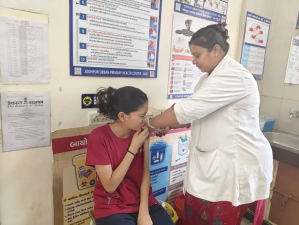
The Union Ministry of Health and Family Welfare launched the JANANI platform on 7 May 2026 to enhance maternal and child healthcare services across India. Unveiled at the National Summit on Innovation and Inclusivity, JANANI stands for Journey of Antenatal, Natal and Neonatal Integrated Care. The system acts as a central digital ecosystem to track, monitor, and maintain health records for women throughout their reproductive years. By moving away from isolated transactional records, the initiative introduces a unified approach to managing life-cycle healthcare data from early pregnancy to early childhood development.
Core Features and Architectural Framework
Reproductive Lifecycle Longitudinal Records
Unlike traditional databases that record single medical visits, JANANI creates a continuous, time-stamped longitudinal health record. It compiles medical histories across the complete continuum of care. This covers pre-pregnancy data, antenatal check-ups, delivery complications, postnatal recovery, and comprehensive newborn health milestones.
QR-Enabled Mother and Child Health Cards
The platform digitizes the physical tracking process by generating Quick Response (QR) enabled Mother and Child Health (MCH) cards. Every registered beneficiary receives an individual QR code that compresses their entire history into an instantly scannable format. This allows frontline workers, such as Accredited Social Health Activists (ASHAs) and Auxiliary Nurse Midwives (ANMs), to pull up clinical histories on mobile devices without paper files.
Advanced Decision Support and Automated Alert Systems
The system has built-in analytical capabilities designed to automate triage and patient monitoring. The platform calculates due lists for health workers, showing exactly which women are due for check-ups or vaccinations in their specific jurisdictions. It also checks diagnostic entries and triggers automated high-risk alerts when it detects risk indicators like maternal anemia, gestational diabetes, or hypertension.
Interoperability and Digital Integration
Integration with National Health Platforms
The platform is designed to connect directly with India’s broader digital public infrastructure, removing structural silos in healthcare administration:
- U-WIN Platform: Connects maternal data directly with the national immunization system to schedule and log childhood vaccinations seamlessly.
- POSHAN Abhiyaan: Shares key maternal health indicators with nutritional monitoring systems to direct targeted nutritional supplements to vulnerable mothers.
- Ayushman Bharat Digital Mission (ABDM): Uses the ABDM framework to serve as a single source of truth for Reproductive, Maternal, Newborn, Child, and Adolescent Health (RMNCH) data nationwide.
Multi-Modal Verification and Migrant Portability
Beneficiaries can register on the network using multiple identity verification tools, including the Ayushman Bharat Health Account (ABHA), Aadhaar (via both one-time passwords and biometric verification), or standard mobile numbers. A pan-India search tool allows healthcare providers to retrieve patient history instantly if a family relocates, preventing duplicate records and ensuring continuous care for migratory populations.
Platform Scale and Operational Stages
Service Lifecycle Coverage
The platform monitors and records specific operational events across seven major areas of reproductive health:
| Phase | Key Tracked Interventions and Services |
| Antenatal Care (ANC) | Early registration, systematic check-ups, iron-folic acid distribution, and tetanus immunizations. |
| Delivery Preparedness | Birth planning, identification of blood donors, and mapping transport to emergency obstetric units. |
| Institutional Delivery | Monitoring vitals during labor, recording birth weights, and documenting delivery complications. |
| Postnatal Care (PNC) | Regular home visits to track maternal recovery, identify postpartum hemorrhage, and check healing. |
| Newborn Care | Early initiation of breastfeeding, thermal regulation, and initial neonatal screening tests. |
| Home-Based Child Care | Monitoring growth, testing motor skills, and providing nutritional education for young children. |
| Family Planning | Postpartum contraceptive counseling, spacing guidance, and distributing family planning tools. |
Implementation Performance Metrics
At the time of its official launch, the platform recorded high initial adoption numbers across rural and urban public health facilities:
- Total Beneficiary Registrations: Over 13.4 million (1.34 crore) individuals registered.
- Pregnant Women Enrolled: More than 3 million (30 lakh) active profiles created.
- Digital MCH Cards Generated: Upwards of 3 million cards issued via web and mobile interfaces.
- Biometric Verifications Completed: Exceeded 100,000 successful authentications.
IASPOINT Booster Facts for UPSC
- System Legacy: The JANANI platform replaces and upgrades the older Reproductive and Child Health (RCH) portal, shifting the infrastructure from a slow data-entry repository into a real-time tracking tool.
- Self-Registration Facility: The platform includes citizen-facing portals that allow self-registration, giving mothers direct access to digital MCH cards, proximity charts for clinics, and nutritional education without needing an intermediate health worker.
- Data Deduplication: By mandating unique keys like ABHA and Aadhaar, the system prevents the inflating of health metrics caused by multiple registrations across different states or districts.
- Continuum of Care Concept: An international public health standard that emphasizes integrated care rather than isolated medical treatments. JANANI marks India’s largest digital application of this concept.
- Targeting MMR and NMR: The analytical alert features focus directly on reducing the Maternal Mortality Ratio (MMR) and Neonatal Mortality Rate (NMR), helping India hit its United Nations Sustainable Development Goal (SDG 3) targets.