
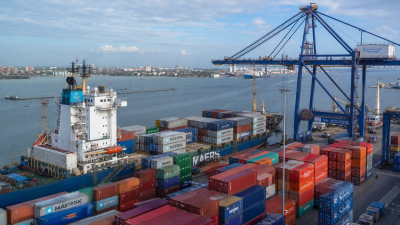
M. Angamuthu was appointed Chairperson of the Cochin Port Authority on 22 June 2026.
Statutory status and governance
- Statutory authority: Cochin Port is a Major Port governed under the Major Port Authorities Act, 2021 and administered by a Board headed by a Chairperson.
- Board role: Chairperson is the chief executive; board members are nominated by the central government to represent shipping, commerce, labour and technical stakeholders.
Core functions
- Port administration: Provision and maintenance of berths, quays and navigational channels.
- Navigation services: Pilotage, towage, conservancy and dredging to maintain safe access for vessels.
- Cargo operations: Regulation and facilitation of berthing, loading/unloading and cargo handling.
- Estate management: Development, allotment and lease of port land and infrastructure under commercial terms.
Major assets and operations
- Location: Natural harbour at Kochi on the Arabian Sea and Periyar estuary; positioned on east–west shipping routes.
- Vallarpadam ICTT: International Container Transshipment Terminal at Vallarpadam operates on a landlord–operator/concession model.
- Landlord port model: Port retains ownership of core assets while private terminals operate under PPP concessions.
Regulation, finance and law
- Tariff regulator: Tariff Authority for Major Ports (TAMP) approves major-port tariffs and levy structures.
- Revenue streams: Dues, berth and cargo charges, estate leases and concession fees.
- Central oversight: Administrative control and policy guidance by the Ministry of Ports, Shipping and Waterways.
IASPOINT Booster Facts
- Legislative change: Major Port Authorities Act, 2021 replaced provisions of the Major Port Trusts Act to provide greater board autonomy.
- Major ports count: India has 12 designated major ports (central-list under the Act).
- Operational duty: Ports are statutory providers of pilotage, conservancy and navigational safety for coastal and ocean-going traffic.