
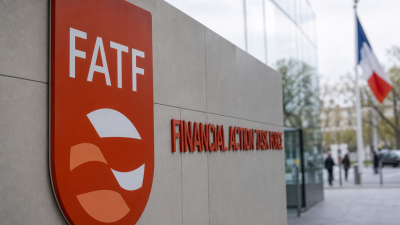
On 20 June 2026 India secured the Vice‑Presidency of the Financial Action Task Force (FATF); the appointment was announced at the FATF plenary in Paris (17–19 June 2026) and the term runs July 2026–June 2027.
FATF Vice Presidency — India
- Officeholder: Vivek Aggarwal, 1994‑batch IAS, appointed FATF Vice‑President for July 2026–June 2027.
- Membership history: India became a full FATF member in June 2010 and holds a FATF leadership post for the first time.
- Relevant experience: Aggarwal has led Indian delegations to FATF and served as Director, Financial Intelligence Unit (FIU).
FATF Framework — Core features
- Mandate: Set international standards to combat money laundering, terrorist financing and proliferation financing.
- Standards: The FATF Issues 40 Recommendations forming the global AML/CFT standard‑setting framework.
- Governance: Plenary is FATF’s decision‑making body; Presidency and Vice‑Presidency are annual leadership roles.
- Peer review: Mutual evaluations assess countries on technical compliance and effectiveness.
- Listings: “Grey list” = increased monitoring; “black list” = jurisdictions subject to counter‑measures.
June 2026 Plenary Outcomes
- Recommendation update: Recommendation 6 amended to include a humanitarian exemption in sanctions measures.
- Grey list changes: Bosnia and Herzegovina and Iraq added; Algeria and Namibia removed.
- Governance: Members approved priorities for the incoming UK Presidency.
IASPOINT Booster Facts
- Origins: FATF was established in 1989 by the G7; it is an intergovernmental body hosted by the OECD Secretariat.
- Assessment ratings: Technical compliance rated Compliant/Largely Compliant/Partially Compliant/Non‑Compliant; effectiveness rated High/Substantial/Moderate/Low.
- Regional bodies: FATF standards are promoted by FATF‑style regional bodies (FSRBs) and cited in UN Security Council measures.