
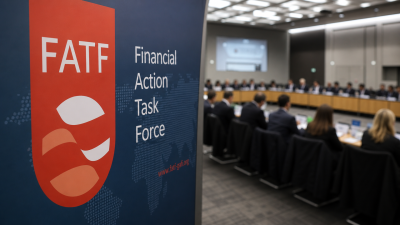
The Financial Action Task Force (FATF) is a 40‑member global watchdog on money‑laundering and terror‑financing. India defended FATF’s technical credibility after Pakistan’s earlier placement on the FATF ‘grey list’ and has expanded AML rules to cover virtual asset service providers.
Recent developments (June 2026)
- India evidence gathering: As of 30 June 2026 India reported collecting videos and other material alleging militants operating openly in Pakistan and officials attending militant funerals, to present at the October FATF plenary.
- Pakistan status: Removed from the Grey List in October 2022 after a 34‑point action plan; remains subject to FATF follow‑up and APG monitoring.
- June plenary outcomes (17–19 June 2026): No change to Pakistan’s listing status; Bosnia and Herzegovina and Iraq placed on increased monitoring list.
- Recommendation 6 update (23 June 2026): Amended to ensure targeted financial sanctions comply with UN Security Council resolutions and to limit harm to humanitarian activities.
- India representation: India’s Union Culture Secretary appointed FATF Vice‑President for July 2026–June 2027.
Technical and institutional points
- Mandate and standards: FATF issues 40 Recommendations and 9 Special Recommendations forming the global AML/CFT standard.
- Grey List vs Blacklist: Grey List = increased monitoring; Blacklist = high‑risk jurisdictions subject to counter‑measures.
- APG role: Asia/Pacific Group conducts regional peer reviews and assists jurisdictions in follow‑up.
- Virtual assets: India has included VASPs in its AML/CFT framework and tightened KYC for centralised exchanges.
IASPOINT Booster Facts
- Action plan content: Pakistan’s 34‑point plan covered preventive measures, investigation, prosecution, asset recovery and terrorist designation processes.
- Plenary cycle: FATF normally meets three times a year; plenary decisions determine listing status.
- International uptake: FATF standards inform IMF/World Bank mutual evaluations and Financial Stability Board guidance.