
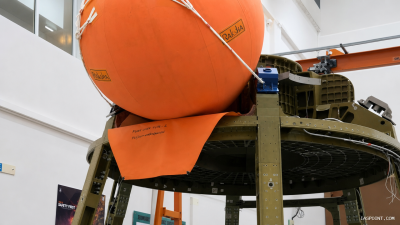
On 12–13 July 2026 ISRO completed three qualification tests of the Gaganyaan Crew Module systems covering splashdown recovery, module separation and structural loads.
Key Tests Conducted
- Float Inflation Test (CMUS): Validated the Crew Module Up-righting System using cold‑gas inflation to turn the capsule upright after sea splashdown.
- Umbilical Separation Test (CS‑CDS): Demonstrated separation of the CSU‑2 umbilical from a simulated crew module and validated panel and interface structural stability.
- Crew Module Structural Qualification (Apex Cover): Assessed loads during apex‑cover jettison that expose parachute assemblies; test used loads ~1.75× expected flight loads and measured strain remained within design limits.
Technical Facts
- Gaganyaan: India’s first human spaceflight mission; crew module is a pressurised re‑entry capsule designed for sea recovery.
- CMUS: Crew Module Up‑righting System acronym; uses cold‑gas technology (compressed inert gas) for rapid inflation without combustion.
- CS‑CDS: Crew Module–Service Module Connect & Disconnect System acronym; provides mechanical, electrical and fluid interfaces before separation.
- Apex cover: Protective shell over parachute pack until jettison; its separation induces transient structural loads on the capsule skin and attachments.
IASPOINT Booster Facts
- Test dates: 12–13 July 2026.
- Qualification margin: Structural qualification tests often apply factors >1 to demonstrate safety margins; here ~1.75× was used.
- Agency: Tests conducted by the Indian Space Research Organisation (ISRO).