
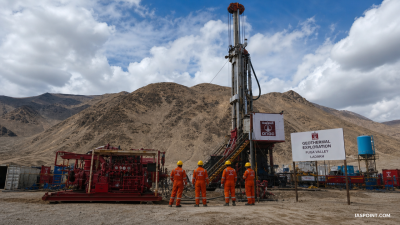
ONGC completed drilling its second geothermal well, Puga-OEC-GT#03, in Puga Valley, Ladakh in July 2026 to a depth of 1,000 metres at an altitude above 14,000 feet.
Puga Valley resource
- Measured temperature: Geothermometric studies indicate subsurface temperatures above 240°C in Puga.
- Surface manifestations: Presence of hot springs and fumarolic activity in a high‑altitude basin of the Trans‑Himalayan region.
- Other Indian hotspots: Known geothermal occurrences in Ladakh, Himachal Pradesh, Uttarakhand and parts of the western coast.
Project details
- Well: Puga-OEC-GT#03 drilled to 1,000 m; drilling executed at >14,000 ft elevation.
- Pilot plant: A 1 MWe pilot geothermal power plant is planned with testing and commissioning targeted in 2026–27 FY.
- Operator: ONGC Energy Centre is the research arm of ONGC, a Maharatna public sector undertaking.
Technology and classification
- Resource classes: Low (150°C) for flash/steam turbines.
- Conversion technologies: Flash steam (high‑enthalpy), binary cycle (organic Rankine) for lower temps, and Enhanced Geothermal Systems (EGS) for hot dry rock.
- Baseload: Geothermal can deliver continuous generation independent of diurnal or weather variability.
Regulatory & site facts
- Administration: Development proceeded under a Memorandum of Understanding between ONGC and the Ladakh Union Territory administration.
- Operational constraints: High‑altitude operations require specialised logistics, cold‑climate drilling practices and environmental monitoring.
IASPOINT Booster Facts
- Commercial threshold: Reservoir temperatures above ~150°C are typically targeted for electricity generation.
- Global linkage: Geothermal projects form part of national renewable energy portfolios and can access climate finance mechanisms under UNFCCC frameworks.