
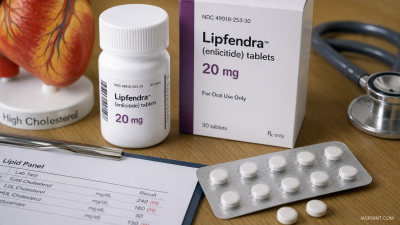
On 16 July 2026 the US FDA approved Lipfendra (enlicitide), the first oral PCSK9 inhibitor, as a once‑daily 20 mg tablet for lowering LDL‑C in adults.
Drug and Indication
- Lipfendra (enlicitide): oral proprotein convertase subtilisin/kexin type 9 (PCSK9) inhibitor; 20 mg once daily; FDA approval dated 16 July 2026.
- Approved use: adjunct to diet and exercise for adults with hypercholesterolaemia, including heterozygous familial hypercholesterolaemia (HeFH).
Mechanism of action
- PCSK9 pathway: PCSK9 binds LDL receptors and promotes their lysosomal degradation; inhibition increases LDL‑receptor recycling and plasma LDL‑C clearance.
Clinical evidence
- Phase 3 trials: CORALreef Lipids and CORALreef HeFH; combined n = 3,207 adults.
- Efficacy: CORALreef Lipids showed mean LDL‑C reduction ~56% versus placebo at week 24; post‑hoc analysis reported ~60% after exclusions.
- Safety signals: in HeFH trial diarrhoea 7% (Lipfendra) vs 2% (placebo); dizziness 9% vs 4%.
Comparators and related therapies
- Injectable PCSK9 inhibitors: monoclonal antibodies previously used to achieve large LDL‑C reductions.
- Other oral non‑statins: bempedoic acid (Nexletol) and bempedoic acid+ezetimibe (Nexlizet); label expansions effective 22 Mar 2024.
IASPOINT Booster Facts
- LDL‑C: low‑density lipoprotein cholesterol; principal atherogenic lipoprotein measured as mg/dL or mmol/L.
- HeFH genetics: commonly autosomal dominant due to mutations in LDLR, APOB or PCSK9 genes; associated with premature atherosclerotic cardiovascular disease (ASCVD).
- Regulatory role of Phase 3: late‑stage trials provide pivotal efficacy and safety data for marketing approval; endpoints often include percent LDL‑C change.