
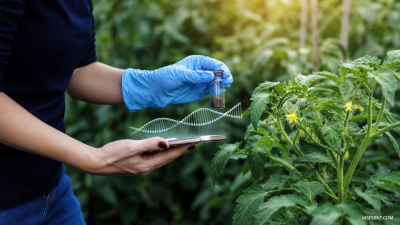
The Indian Council of Agricultural Research is working on genome-editing of about 40 crop varieties across 34 research institutes, covering 24 field crops and 17 horticultural crops including pulses, wheat, banana, tomato, cotton, soybean and rice.
Project Scope
- Scale: ~40 genome-edited varieties across 34 ICAR institutes.
- Crops covered: 24 field crops and 17 horticultural crops; examples include pulses, wheat, rice, cotton, soybean, banana, tomato.
Regulatory Framework
- SDN categories: SDN-1 and SDN-2 denote targeted edits in native DNA without insertion of foreign genes.
- DBT SOP 2022: Department of Biotechnology issued Standard Operating Procedures for regulatory review of SDN-1/SDN-2; transgene-free edited plants are exempted under this framework.
Released Varieties and Traits
- DRR Dhan 100 (Kamala): Genome-edited rice variety released by ICAR with traits for higher yield, drought tolerance and lower irrigation need.
- Pusa DST Rice 1: Genome-edited rice released with similar traits; reported yield gains up to 25% and greenhouse gas reduction ≈20%.
Technology
- Plant OpenCRISPR-1 (POC1): AI-designed genome-editing platform developed and validated at ICAR–Central Rice Research Institute, Cuttack.
IASPOINT Booster Facts
- ICAR: Indian Council of Agricultural Research, autonomous body under DARE, Ministry of Agriculture and Farmers Welfare.
- SDN-3: Category involving insertion of foreign DNA (contrasts with SDN-1/2).
- Terminology: “Transgene-free” denotes edits without foreign-gene integration.