
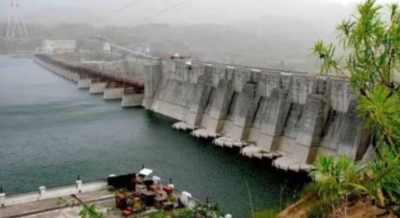
The Bhakra Beas Management Board (BBMB) has launched an emergency safety assessment after reports revealed the Bhakra Dam’s main wall has developed an outward tilt of 1.77 inches, exceeding the permissible design limit of 1.03 inches. IIT Roorkee has been tasked with investigating the structural integrity of this major concrete gravity dam.
Critical Structural and Operational Data
- Location & Type: Located on the Sutlej River in Bilaspur, Himachal Pradesh; it is one of Asia’s highest concrete straight gravity dams.
- Structural Stress: Excessive siltation over six decades has reduced reservoir storage capacity by over 25%, creating intense hydrostatic and sediment pressure.
- Institutional Oversight: The dam is managed by the BBMB, established under the Punjab Reorganisation Act, 1966.
- Economic Impact: A cornerstone of the Green Revolution, it provides vital irrigation to northern states and generates 1,325 MW of hydroelectric power.
Institutional Framework for Dam Safety
- Dam Safety Act, 2021: Provides the statutory framework for the surveillance, inspection, and maintenance of dams.
- NCDS (National Committee on Dam Safety): Formulates policies and safety regulations.
- NDSA (National Dam Safety Authority): The regulatory body responsible for implementing policies, resolving inter-state disputes, and maintaining a national dam database.
IASPOINT Booster Facts
- Sutlej Origin: Originates near Lake Rakshastal (Tibet) and enters India via the Shipki La pass.
- Indus Water Treaty (1960): Allocates unrestricted use of Sutlej, Beas, and Ravi waters to India.
- Nangal Dam: Located 13 km downstream; acts as a secondary barrage to regulate water fluctuations.
- DRIP: The Dam Rehabilitation and Improvement Project is a World Bank-funded initiative to improve the safety of existing dams.