
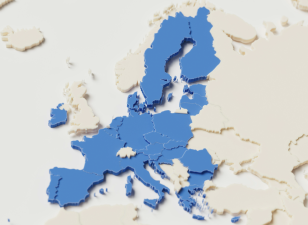
Bulgaria has become the 21st member of the eurozone, marking a major step towards deeper European integration. The move ends the long use of the lev, which has been Bulgaria’s currency since 1881 and has been pegged to first the Deutschmark and later the euro since 1997. The transition comes amid domestic political instability and public debate over the economic and political consequences of adopting the common currency.
What Is the Eurozone?
The eurozone, or euro area, is the group of European Union members that have adopted the euro as their official currency. It emerged from the Maastricht Treaty of 1992, which laid the foundation for the European Economic and Monetary Union. The eurozone also includes a common central banking system under the European Central Bank (ECB).
Bulgaria’s Currency Transition
From January 1, Bulgarians can use both the lev and the euro for transactions. The euro will become the sole legal tender from February 1. Bulgaria’s entry increases the number of EU states using the euro to 21 out of 27. Croatia was the last country to join in 2023. The change also expands the population using the euro to around 350 million.
Eligibility And Benefits
EU members, except Denmark which has an opt-out, are expected to join the eurozone after meeting convergence criteria. These conditions cover inflation, public finances, exchange-rate stability and legal alignment with EU monetary rules. Membership offers lower transaction costs, easier trade, price comparison, reduced exchange-rate risk and access to the ECB’s monetary policy framework. Bulgaria will also gain a seat on the ECB Governing Council.
Opposition And Domestic Concerns
The decision has faced resistance from pro-Russian and far-right groups, which fear economic disruption and higher prices. Public opinion remains divided after years of political instability and corruption scandals. Authorities have introduced consumer protection measures, including mandatory price display in shops, to reduce the risk of unfair price rises during the transition.
Last Modified: April 25, 2026