
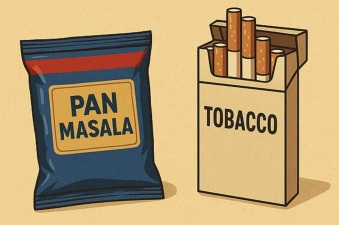
Government has notified 1 February as the date from which new levies will apply on tobacco products and pan masala. The move replaces the existing compensation cess on these sin goods with a new tax structure that includes higher GST and additional duties. The change is aimed at maintaining the overall tax burden on harmful products while creating a fresh legal basis for collection.
Key Tax Changes
- Pan masala, cigarettes, tobacco and similar products will attract 40% GST.
- Biris will attract 18% GST.
- Pan masala will also face a Health and National Security Cess.
- Tobacco and related products will attract additional excise duty.
Why the New Levy Matters
The new arrangement is designed to replace the compensation cess currently imposed on these products. Such taxes are commonly used to discourage consumption of harmful goods and to generate revenue for the exchequer. The revised structure keeps tobacco and pan masala in a high-tax category under the indirect tax system.
Parliamentary Approval
Parliament had approved two Bills in December to enable the new levy framework. One law provides for the Health and National Security Cess on pan masala manufacturing. The other allows additional excise duty on tobacco products. These legal changes ensure that the government can continue taxing these products after the compensation cess regime ends.
Exam Relevance
The development is important for understanding GST compensation cess, sin goods taxation, excise duty, and the use of special cesses in India’s indirect tax system. It also marks how Parliament can create product-specific levies through separate legislation.
Last Modified: April 25, 2026