
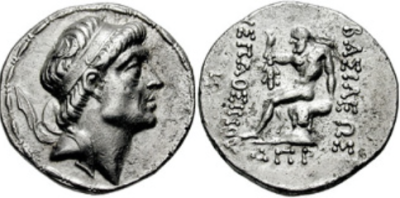
Charax Spasinou, a long-lost city in southern Iraq, has been digitally mapped after remaining buried for centuries. The settlement was founded in 324 BCE near the Tigris River and is linked to the final phase of Alexander the Great’s expansion. Once an important trade centre, the city is now being studied through modern remote-sensing methods that have revealed an unexpectedly large urban layout.
Historical Background
Charax Spasinou was established at a strategic river junction in Mesopotamia. Its location supported trade between inland routes and river transport. The city was later rebuilt after damage caused by floods and conflict. It became known as a commercial and administrative hub in the ancient world.
Modern Discovery Methods
Archaeologists used drones and magnetometers to survey the site without excavation. Thousands of aerial images were combined with subsurface readings to produce a digital map. This non-invasive approach helped identify buried structures while preserving the site.
Urban Layout and Remains
The mapped remains suggest a larger city than previously assumed. Key features include:
- Wide streets and housing blocks.
- Temples and religious spaces.
- Industrial workshops with kilns.
- Scattered pottery, bricks, and debris across a wide area.
Significance for Ancient History
The discovery adds new evidence on Hellenistic urban planning in Mesopotamia. It also shows how modern technology can recover lost cities without excavation. The findings may help historians better understand trade networks, settlement patterns, and the legacy of Alexander’s eastern campaigns.
Last Modified: April 28, 2026