
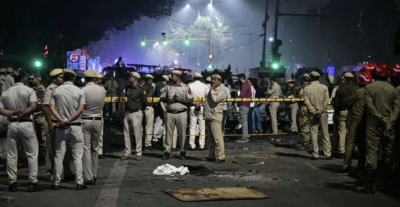
A chargesheet was filed against 10 accused in the Doctors’ terror module case in Jammu and Kashmir. The National Investigation Agency (NIA) submitted the chargesheet in a special court in Jammu. The accused were arrested in connection with alleged terror activities linked to a banned organisation.
Details of the Accused
The accused include medical professionals and other individuals. They were allegedly involved in recruiting and radicalising youth for terror activities. The NIA identified the accused as members of a proscribed terror group operating in the region. The chargesheet lists specific offences under the Unlawful Activities (Prevention) Act (UAPA).
Investigation and Evidence
The investigation involved multiple raids and interrogations across Kashmir. Digital evidence, including electronic devices and communication records, was recovered. The NIA analysed financial transactions linked to terror funding. Statements from witnesses and confessions formed part of the evidence.
Legal Proceedings
The special NIA court will now proceed with framing formal charges. The accused face charges including conspiracy, terror funding, and recruitment under UAPA. The case is being closely monitored due to the involvement of medical professionals. The trial is expected to include detailed examination of the evidence submitted.
Security Context
The module was reportedly involved in spreading terror activities in Kashmir Valley. The arrests were part of a broader crackdown on terror networks in Jammu and Kashmir. The case reflects ongoing security challenges in the region linked to militancy. The government has designated the terror group as a banned organisation under Indian law.
What to Study for UPSC Exams?
- Unlawful Activities (Prevention) Act
- Counter-terrorism laws in India
- Role of NIA in internal security
- Militancy in Jammu and Kashmir
Unlawful Activities (Prevention) Act
Enacted in 1967, UAPA aims to prevent unlawful activities threatening India’s sovereignty. It empowers authorities to designate individuals and groups as terrorists. The Act allows extended detention without charge and stringent bail conditions for accused persons.
Counter-terrorism laws in India
India’s counter-terrorism framework includes laws like the Terrorist and Disruptive Activities (Prevention) Act (TADA) and Prevention of Terrorism Act (POTA), both now repealed. Current laws emphasize intelligence gathering, prosecution, and financial tracking of terror activities. Special courts and agencies are designated for speedy trials.
Role of NIA in internal security
Established in 2009, the National Investigation Agency investigates and prosecutes terror-related crimes across states. It has powers to take over cases from state police and coordinate multi-agency operations. NIA also handles terror financing and cross-border terrorism cases.
Militancy in Jammu and Kashmir
Militancy in Jammu and Kashmir began in late 1980s, fueled by political grievances and foreign support. It involves various armed groups with differing ideologies and objectives. The conflict has led to prolonged violence, counter-insurgency operations, and complex security challenges.
Last Modified: April 17, 2026