
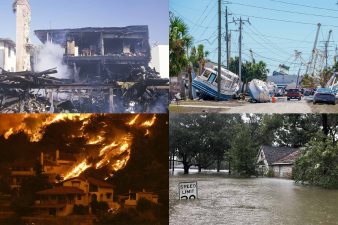
Insured losses from climate-related disasters are projected to reach $145 billion. This marks a six per cent increase from 2024, according to a report by Swiss Re. The rise in losses reflects a consistent annual growth rate of 5-7 per cent seen in recent years. This trend indicates escalation in financial impacts due to climate change.
About Insured Losses
Insured losses refer to the financial claims paid out by insurance companies following disasters. These losses have been increasing steadily. In 2024, the total insured losses were $137 billion. The projected figure for 2025, if trends continue, will be the highest since 2017.
The Role of Reinsurers
Reinsurers are companies that provide insurance to other insurance companies. They help mitigate risks associated with large claims. By offering a safety net, reinsurers play important role in the insurance market. The increasing frequency and severity of disasters challenge their capacity to manage risk effectively.
Economic Impact of Disasters
In 2024, total economic losses from disasters reached $318 billion. However, only 57 per cent of these losses were insured. This leaves a protection gap of $181 billion. The gap indicates portion of economic losses that remain unprotected, denoting the vulnerability of communities to climate impacts.
Destabilisation of the Insurance Industry
Rising weather extremes have caused instability in the insurance sector. Insurers are raising premium prices and withdrawing from high-risk markets. For example, the devastating Los Angeles fires led to major insurers exiting the market or limiting new policy issuance. This trend is driven by increasing claims costs and underwriting losses.
Factors Influencing Premium Rates
Premium rates are largely determined by exposure to natural disasters. Areas with high risks, such as California, see the highest premiums. There is a strong correlation between average catastrophe losses and homeowner premiums at the state level. This suggests that as risks increase, so do costs for consumers.
Recent Disaster Trends
In 2024, contributors to insured losses included hurricanes Helene and Milton, severe storms in the United States, and urban floods worldwide. Canada also experienced its highest recorded insured losses from natural catastrophes. These events tell the growing frequency and severity of climate-related disasters.
Future Projections
Swiss Re estimates a 1-in-10 probability that total insured losses could exceed $300 billion in 2025. This would mark a new peak loss year, further emphasising the urgent need for effective loss mitigation strategies and adaptation measures.
Questions for UPSC:
- Examine the impact of climate change on global insurance markets and discuss its implications for future policies.
- What are the key factors contributing to the increase in economic losses due to climate-linked disasters? Analyse with examples.
- What strategies can be implemented to bridge the protection gap in the insurance industry? Discuss.
- Critically discuss the correlation between natural disaster risks and insurance premium rates in high-risk regions.
Answer Hints:
1. Examine the impact of climate change on global insurance markets and discuss its implications for future policies.
- Climate change increases the frequency and severity of natural disasters, leading to higher insured losses.
- Insurers face rising claims costs, resulting in increased premiums and withdrawal from high-risk markets.
- The insurance industry is experiencing instability, with reinsurers struggling to manage risks effectively.
- Future policies may need to incorporate climate risk assessments and adaptive measures to ensure sustainability.
- There is a growing need for collaboration between governments, insurers, and communities to address climate impacts.
2. What are the key factors contributing to the increase in economic losses due to climate-linked disasters? Analyse with examples.
- Increased frequency of extreme weather events, such as hurricanes and wildfires, leads to higher economic losses.
- Urbanization and population growth in vulnerable areas amplify the impacts of disasters, as seen in Los Angeles fires.
- Insufficient infrastructure and preparedness exacerbate the economic fallout from disasters, leading to greater unprotected losses.
- Climate change-induced risks, like flooding and storms, disrupt economies and contribute to rising costs.
- The protection gap, where only 57% of losses are insured, leaves communities financially vulnerable to disasters.
3. What strategies can be implemented to bridge the protection gap in the insurance industry? Discuss.
- Enhancing public awareness about insurance products and disaster preparedness can increase coverage uptake.
- Developing innovative insurance products that cater to high-risk areas, including micro-insurance options.
- Encouraging government involvement in providing subsidies or reinsurance for high-risk areas to lower premiums.
- Implementing stricter building codes and land-use planning to reduce vulnerability to disasters.
- Promoting investment in resilience-building initiatives and climate adaptation strategies to mitigate future losses.
4. Critically discuss the correlation between natural disaster risks and insurance premium rates in high-risk regions.
- Insurance premium rates are directly influenced by the level of risk associated with natural disasters in a region.
- Areas with high exposure to risks, like California wildfires, see higher premiums compared to safer regions.
- There is a strong correlation between average catastrophe losses per policy and homeowner premiums at the state level.
- As the frequency of disasters increases, insurers adjust premiums to reflect the heightened risk, impacting affordability.
- This correlation emphasizes the need for effective risk management and adaptation strategies to stabilize insurance costs.