
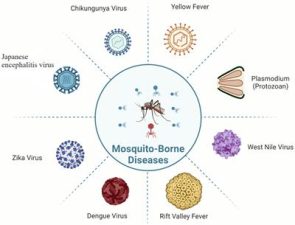
Encephalitis International recently initiated a global campaign titled “Preventing Future Encephalitis – Climate Change and Infectious Disease.” This campaign puts stress on the urgent need for vaccination against encephalitis and other preventable diseases. The focus is on the increasing risks posed by climate change, which is creating favourable conditions for the spread of infections linked to encephalitis.
About Encephalitis
Encephalitis is the inflammation of brain tissues primarily caused by infections or autoimmune responses. It affects over 1.5 million individuals worldwide each year. Alarmingly, about 77 per cent of the global population remains unaware of this condition, leading to delays in diagnosis and treatment.
Climate Change and Infection Risk
Climate change is exacerbating the risk of encephalitis. Rising temperatures are facilitating the movement of disease vectors, such as mosquitoes and ticks, into new regions. This migration increases the likelihood of infections that can lead to encephalitis. Ava Easton, chief executive of Encephalitis International, emphasises that as the planet warms, the emergence of new infections will continue to rise.
Global Impact of Vaccine-Preventable Diseases
Outbreaks of vaccine-preventable diseases, including measles and meningitis, are on the rise globally. Diseases that were once under control, like diphtheria, are also at risk of resurgence. The World Health Organization (WHO) marks that vaccines have saved over 150 million lives in the past fifty years. However, the increasing incidence of these diseases poses threat to public health and leads to higher treatment costs.
India’s Vaccination Efforts
India’s Universal Immunisation Programme (UIP) is one of the largest in the world. It targets 27 million infants and 30 million pregnant women annually, providing free vaccinations against 12 diseases, including Japanese Encephalitis in endemic areas. In 2024, India reported 1,548 cases of Japanese encephalitis across 24 states and union territories, denoting the ongoing challenge.
Future Strategies and Awareness
Encephalitis International plans to host a global webinar on April 29 to discuss the link between climate change and the rising burden of encephalitis. The focus will also be on strategies to enhance vaccine coverage, particularly in rural areas. Experts like Netravathi M from NIMHANS stress that vaccination is crucial for ensuring a safer world, as each vaccine shot contributes to freedom from preventable diseases.
Questions for UPSC:
- Examine the impact of climate change on public health in developing countries.
- Discuss the role of vaccination in controlling infectious diseases in rural areas.
- Analyse the relationship between environmental changes and the emergence of new infectious diseases.
- Critically discuss the challenges faced by global vaccination programmes in the context of rising disease outbreaks.
Answer Hints:
1. Examine the impact of climate change on public health in developing countries.
- Climate change leads to increased heatwaves and extreme weather, exacerbating health issues.
- Rising temperatures facilitate the spread of infectious diseases, impacting vulnerable populations.
- Food and water scarcity due to climate change can lead to malnutrition and related health problems.
- Healthcare infrastructure in developing countries is often inadequate to cope with climate-related health challenges.
- Increased migration due to climate impacts can strain public health resources in host communities.
2. Discuss the role of vaccination in controlling infectious diseases in rural areas.
- Vaccination reduces the incidence of preventable diseases, improving public health outcomes.
- Rural areas often have limited access to healthcare, making vaccination programs crucial for disease control.
- Community awareness and education are vital for increasing vaccination uptake in rural regions.
- Mobile vaccination units can help reach isolated populations, ensuring broader coverage.
- Vaccination contributes to herd immunity, protecting those who cannot be vaccinated.
3. Analyse the relationship between environmental changes and the emergence of new infectious diseases.
- Environmental changes alter ecosystems, facilitating the spread of pathogens and vectors like mosquitoes.
- Deforestation and urbanization disrupt habitats, increasing human-wildlife interactions that can lead to disease spillover.
- Climate change affects the lifecycle and distribution of vectors, leading to new outbreaks in previously unaffected areas.
- Pollution and environmental degradation can weaken immune systems, making populations more susceptible to infections.
- Monitoring environmental changes can aid in predicting and mitigating future disease outbreaks.
4. Critically discuss the challenges faced by global vaccination programmes in the context of rising disease outbreaks.
- Vaccine hesitancy fueled by misinformation poses barrier to achieving high vaccination rates.
- Logistical challenges in delivering vaccines to remote or conflict-affected areas hinder program effectiveness.
- Funding and resource constraints can limit the reach and sustainability of vaccination campaigns.
- Emerging diseases may outpace existing vaccination efforts, necessitating rapid responses and new vaccine development.
- Global disparities in healthcare access exacerbate the impact of vaccine-preventable diseases in low-income regions.