
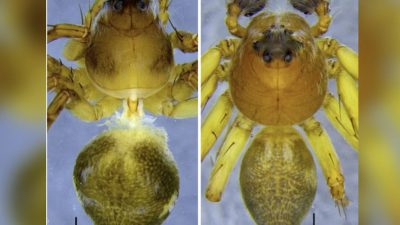
A new lynx spider species, Hamataliwa mawlyngot, was described from Mawlyngot village, East Khasi Hills, Meghalaya in June 2026.
Discovery & publication
- First record in Meghalaya: Marks the first documented presence of the genus Hamataliwa in the state and extends its known distribution in India.
- Authors & institutions: Study by Zoological Survey of India (ZSI) and University of Calcutta; published in National Academy Science Letters, June 2026.
- Etymology: Species named mawlyngot after the type locality, Mawlyngot village, East Khasi Hills.
Taxonomy & identification
- Family: Oxyopidae (lynx spiders).
- Size: Reported as no bigger than a fingernail.
- Habitat: Found concealed among dense foliage on hillside shrubs, including Molucca brambles.
Behaviour & ecological role
- Hunting strategy: Diurnal active hunter; uses sharp vision and rapid movements rather than webs.
- Ecological function: Acts as a natural predator contributing to biological pest control in crop-adjacent landscapes.
- Biogeographic context: East Khasi Hills lies within the Indo‑Burma Biodiversity Hotspot, a region with high endemicity and many underexplored taxa.
IASPOINT Booster Facts
- Oxyopidae common name: Lynx spiders.
- Type locality importance: Type locality is the primary reference point for species’ formal description and future comparisons.
- Publication: New species descriptions require diagnostic morphological characters and peer‑reviewed publication for formal recognition.