
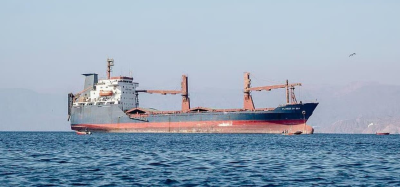
The Directorate General of Shipping, operating under the Ministry of Ports, Shipping and Waterways, barred 366 foreign-flagged vessels from hiring Indian seafarers on 15 May 2026. This administrative action follows multiple recorded violations of seafarer welfare norms, including the abandonment of crew members, non-payment of wages, denial of contract compensation for death or missing crew, and failure to facilitate mandatory repatriation. The regulatory mandate instantly splits the non-compliant vessels into restricted and blacklisted categories. The decision prevents approved recruitment agencies from supplying Indian maritime labor to these specific ships until complete compliance with national and international welfare frameworks is verified.
Regulatory Framework of the Crackdown
The enforcement action establishes a rigid operational block on non-compliant global shipowners to safeguard domestic maritime professionals.
Categorization of Non-Compliant Vessels
The 366 foreign-flagged ships are placed under two distinct regulatory classifications based on the severity and recurrence of their crew welfare violations:
- Restricted Category: Comprises 278 vessels. These ships face an immediate freeze on hiring new Indian seafarers until they settle outstanding dues and clear administrative audits regarding crew treatment.
- Blacklisted Category: Comprises 88 vessels. These units face an absolute ban due to severe, repeated offenses related to sailor abandonment and structural non-compliance with global labor standards.
Mandates for Recruitment and Placement Service Licence (RPSL) Holders
RPSL agencies act as the statutory intermediaries responsible for recruiting and placing Indian seafarers on international commercial ships. The new directive imposes strict immediate compliance checks on these agencies:
- Data Submission Window: All approved RPSL companies must submit detailed records of all Indian seafarers currently deployed on the 366 affected vessels within 14 days of the order.
- Verification Protocol: Recruitment agencies must cross-verify the International Maritime Organization (IMO) numbers of all vessels against the official ILO/IMO Joint Database on the Abandonment of Seafarers before processing any crew deployments.
- Prior Approval Requirement: If an external vessel appears in the joint abandonment database, the agency cannot place Indian seafarers on board without explicit written clearance from the Directorate General of Shipping.
Continuity of Restrictions
The regulatory block attaches permanently to the specific IMO number of each vessel. Changing the registered name of the ship, modifying its flag of convenience, or altering its physical appearance will not trigger removal from the restricted or blacklisted registry. A vessel can only exit the enforcement list if it undergoes an absolute change in ownership, clears all existing financial encumbrances, and secures an independent clearance certificate from the maritime regulator.
The Maritime Labour Convention (MLC), 2006
The international legal basis for this regulatory intervention stems from a comprehensive treaty designed to protect merchant marine personnel globally.
Genesis and Overview
Adopted by the International Labour Organization (ILO) in 2006, the MLC is frequently termed the “Seafarers’ Bill of Rights.” It consolidated dozens of older international labor conventions into a single comprehensive code. The treaty applies to all commercial ships entering international ports, establishing standard global benchmarks for decent working and living conditions.
Core Pillars of Seafarer Rights Under MLC
The convention organizes its statutory mandates around five central pillars that member states and port authorities must enforce:
- Minimum Requirements to Work: Sets strict rules for minimum age limits, mandatory medical certificates, and specialized pre-sea training certification.
- Conditions of Employment: Regulates the format of Seafarers’ Employment Agreements (SEAs), ensuring clear wage payment terms, structured hours of work and rest, and fixed paid annual leave.
- Accommodation and Recreational Facilities: Outlines baseline dimensions for living quarters, food quality, mess room setups, and proper sanitation facilities on board.
- Health Protection and Medical Care: Mandates access to prompt onboard medical treatment, hospital arrangements in ports, and adequate financial compensation in the event of occupational injury or death.
- Compliance and Enforcement: Details the dual responsibilities of the flag state (vessel registration country) and the port state (the country where the ship docks) to carry out routine inspections and handle seafarer complaints.
Institutional Framework for Maritime Governance in India
India manages its extensive merchant marine workforce and territorial waters through a dedicated hierarchy of statutory bodies.
Directorate General of Shipping
Established in 1949 and headquartered in Mumbai, this executive body handles all administrative and regulatory components of merchant shipping. It supervises maritime safety, implements training standards for sailors, regulates coastal shipping lines, and checks compliance with international maritime conventions.
Seamen’s Employment Office
Operating under the operational control of the Directorate General, this specialized office tracks recruitment channels, audits the financial performance of licensed placement agencies, and documents complaints raised by Indian crew members or their families against international shipping corporations.
Global Manning Dynamics and Seafarer Vulnerabilities
The economic structure of international trade creates unique logistical and financial risks for merchant mariners.
India’s Global Workforce Share
India serves as one of the leading suppliers of skilled maritime labor worldwide. Indian seafarers constitute roughly ten percent of the global merchant marine workforce, holding positions across international tankers, bulk carriers, and container ships.
Flags of Convenience (FoC) and Abandonment Risks
Many shipowners register their vessels in countries like Panama, Liberia, or the Marshall Islands rather than their actual home nation. These jurisdictions are termed Flags of Convenience. They offer lower tax liabilities and relaxed regulatory oversight, which can sometimes allow sub-standard operators to hide financial insolvency or evade legal obligations during maritime disputes. This dynamic leaves crews highly vulnerable to abandonment if a shipping line encounters bankruptcy or legal gridlock in foreign ports.
Comparison of Global Maritime Regulatory Duties
| Regulatory Element | Flag State Responsibility | Port State Control |
| Primary Domain | Direct jurisdiction over ships flying its national flag. | Inspection jurisdiction over foreign ships docking in domestic ports. |
| Core Welfare Duty | Issues MLC compliance certificates and ensures internal ship safety standards. | Verifies food, hygiene, and valid labor contracts of visiting crews. |
| Enforcement Power | Can revoke navigation licenses or cancel the official registration of the vessel. | Can detain the physical ship in port until outstanding crew issues are resolved. |
| Labor Oversight | Audits the domestic shipowning corporations directly. | Intervenes during foreign crew strikes, abandonment cases, or medical emergencies. |
IASPOINT Booster Facts for UPSC
- The “Sagar Mein Samman” Initiative: An ongoing strategic framework implemented by India’s Ministry of Ports, Shipping and Waterways to protect the dignity, legal safety, and financial compensation rights of Indian seafarers working on global routes.
- ILO-IMO Joint Database: A centralized international tracking system developed jointly by the International Labour Organization and the International Maritime Organization to publicly log and track active cases of stranded crews and unresolved vessel abandonments.
- Continuous Discharge Certificate (CDC): A continuous record of a seafarer’s sea service career. It acts as a mandatory statutory document issued by the Directorate General of Shipping, essential for a sailor to gain employment on any commercial vessel.
- Cabotage Laws: Legal provisions that restrict the domestic transport of goods or passengers between national ports to domestic-flagged vessels. India manages cabotage under the Merchant Shipping Act, 1958.
- The 14-Day Rule: The strict administrative window enforced in May 2026 requiring all recruitment companies to identify and report every Indian citizen currently serving on the list of 366 restricted or blacklisted vessels.