
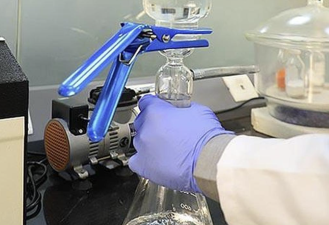
India is expanding its focus on bio-based chemicals and enzymes as part of its industrial and green growth strategy. These products are made from biological feedstocks such as sugarcane, corn, starch, and biomass residues. They are increasingly seen as substitutes for petrochemical-based inputs in industries such as plastics, cosmetics, pharmaceuticals, detergents, textiles, and food processing.
Why Bio-Based Chemicals Matter
Bio-based chemicals can reduce dependence on imported petrochemicals and create new demand for agricultural produce. They also support lower emissions because many enzyme-based and bio-based processes use less energy and operate at lower temperatures and pressures. India’s large farm base and strong fermentation expertise give it a natural advantage in this sector.
India’s Current Position
The Department of Biotechnology has identified bio-based chemicals and enzymes as a priority area under the BioE3 policy. Indian companies such as Praj Industries, Godrej Industries, Godavari Biorefineries, Jubilant Ingrevia, and StringBio are active in this space. In enzymes, the market is highly consolidated, with major players including Novozymes India, DuPont, DSM, Advance Enzyme Technologies, BASF SE, and Ultreze Enzymes Private Limited.
Market Potential and Import Dependence
India continues to import several petrochemical intermediates. For example, acetic acid imports were estimated at about $479.8 million in 2023. This indicates a large domestic market that bio-based alternatives could partly address. The sector also offers opportunities for value addition in rural supply chains and for building a more resilient industrial base.
Global Policy Models and Key Challenges
The European Union supports bio-based chemicals through its Bioeconomy Strategy and circular economy goals. The United States promotes bio-based procurement through the USDA BioPreferred programme. China and Japan also treat bio-based chemicals and enzyme technologies as strategic sectors. In India, the main challenges are high initial costs, feedstock availability, infrastructure gaps, and market acceptance. Shared facilities such as pilot plants, biofoundries, and demonstration units can help reduce risk and support scale-up.
Last Modified: April 28, 2026