
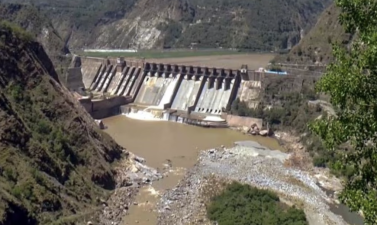
India has reiterated that the Indus Waters Treaty will remain in abeyance until Pakistan takes credible and irreversible steps to end support for terrorism. The statement came during a United Nations event on World Water Day 2026, where India linked the treaty dispute to cross-border terrorism, bilateral trust deficits and the need to revisit water-sharing arrangements in light of changing realities.
India’s Position on the Treaty
India said the treaty, signed over six decades ago in a spirit of goodwill, had been undermined by repeated hostilities and continued support for terrorism. It stated that the decision to place the treaty in abeyance was compelled by Pakistan’s conduct and the failure of bilateral engagement. India also said that responsibility is mutual and that Pakistan must abandon terrorism as an instrument of state policy before raising treaty obligations.
Background to the Abeyance
The treaty was placed in abeyance after the Pahalgam terror attack last year, which India attributed to The Resistance Front, an outfit linked to Lashkar-e-Taiba. India argued that the strategic and political environment has changed since the treaty was signed in 1960. It cited developments such as modern dam technology, rising clean energy needs, and climate and demographic shifts as reasons to review the framework.
Water Governance and Development Goals
Despite the diplomatic dispute, India stressed its commitment to responsible water governance and sustainable development. It brought into light that water remains central to global development goals, while universal access to safe drinking water and sanitation still faces gaps. India also referred to its Jal Jeevan Mission as a major initiative to provide piped drinking water to rural households across the country.
Community Participation and Global Cooperation
India underlined the role of village water committees, many led by women, in planning and managing local water systems. It also called for stronger international cooperation in water management, including capacity building, technological innovation and scientific collaboration, especially for developing countries. India said it remains committed to engaging in future UN water-related forums on inclusive and sustainable water governance.
Last Modified: April 29, 2026