
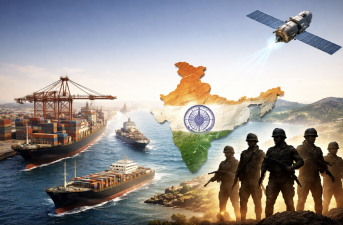
Recent developments show the weaponisation of India’s oil imports by the United States. This move links energy sourcing to bilateral trade terms, exposing the risks of external dependence. India’s journey since independence shows recurring challenges from reliance on food, foreign exchange, defence equipment and energy. These dependencies have shaped India’s economic and foreign policies over decades.
Historical External Dependencies
India’s early development faced four critical external dependencies – food, foreign exchange, defence equipment and energy. The 1957-58 foreign exchange crisis alerted policymakers to financial vulnerabilities. The 1962 war with China revealed defence equipment shortages. Droughts in 1965-67 increased reliance on food imports. The 1990 Gulf War caused an oil price spike triggering a balance-of-payments crisis. Each event taught India lessons on managing external risks.
Impact on Foreign Policy
India’s foreign policy was shaped by these dependencies. During the 1962 war, India sought US defence aid. In the 1960s, US President Lyndon Johnson tried to link food aid to India’s Vietnam War stance, but India resisted. The 1990 oil crisis forced India to approach the IMF and reform economic policies under Prime Minister Narasimha Rao. Diplomatic recognition of Israel was one outcome of these changes.
Recent Challenges and Self-Reliance
The US weaponising energy and finance post-Russian invasion of Ukraine marks continued external constraints. Agreements like the US-India TRUST and COMPACT aimed to strengthen ties but recent US policies have undermined trust. India’s growing Gulf stakes are threatened by US-Israel conflicts. Prime Minister Narendra Modi’s push for atmanirbharta or self-reliance is a response to these pressures. India must reduce vulnerabilities in energy, technology and defence.
New Vulnerabilities and External Influence
Elite emigration and diaspora ties have become new vulnerabilities. US America First policies and Gulf conflicts expose diaspora risks. India’s diaspora, once a soft power asset, is now a channel for external influence. This echoes Cold War-era foreign interference. India’s increased global influence paradoxically brings greater external pressure. Managing Big Power rivalry among the US, Russia and China requires strong leadership and strategic autonomy.
Topics for Prelims:
India’s External Dependencies
- Four critical dependencies – food, foreign exchange, defence, energy.
- 1957-58 foreign exchange crisis brought into light financial limits.
- 1962 war exposed defence equipment shortages.
- 1965-67 droughts increased food import reliance.
- 1990 Gulf War caused oil price spike and payments crisis.
US-India Relations and Energy Security
- US weaponisation of oil imports affects India’s energy security.
- US-India TRUST and COMPACT agreements aimed at cooperation.
- Recent US policies have undermined trust in energy partnership.
- India’s Gulf investments threatened by US-Israel conflicts.
- Modi government emphasises self-reliance (atmanirbharta) to reduce risks.
India’s Diaspora and External Influence
- Diaspora viewed as soft power and foreign exchange source.
- US immigration policies expose diaspora vulnerabilities.
- Global Indian elite used to influence domestic policies.
- Cold War-era foreign interference parallels recent influence attempts.
- India faces increased external pressure despite greater global role.
Questions for Mains:
- Critically analyse the impact of external dependencies on India’s national security and foreign policy since independence. With suitable examples, estimate the role of self-reliance in addressing these challenges. [GS-II-Constitution of India & Polity]
- Point out the ways in which the weaponisation of energy supplies by global powers affects India’s economic and strategic interests. Underline the significance of India’s energy security partnerships in this context. [GS-III-Economic Development]
- With suitable examples, critically analyse the role of Indian diaspora as a tool of soft power and a channel for external influence in India’s domestic affairs. Estimate the challenges posed by this phenomenon in the current geopolitical environment. [GS-II-International Relations]
- Underlining the historical lessons from India’s external crises post-independence, discuss how managing Big Power rivalry among the US, Russia and China is crucial for India’s strategic autonomy. [GS-II-Constitution of India & Polity]
Answer Hints:
1. Critically analyse the impact of external dependencies on India’s national security and foreign policy since independence. With suitable examples, estimate the role of self-reliance in addressing these challenges. [GS-II-Constitution of India & Polity]
- Four critical external dependencies at independence – food, foreign exchange, defence equipment, energy.
- 1957-58 foreign exchange crisis exposed financial vulnerability affecting policy choices.
- 1962 Sino-Indian war revealed defence equipment shortages, leading to US aid requests.
- 1965-67 droughts increased food imports; US tried linking food aid to India’s Vietnam War stance, India resisted.
- 1990 Gulf War caused oil price spike, triggering balance-of-payments crisis and IMF bailout; led to economic reforms and diplomatic shifts (e.g., Israel recognition).
- Self-reliance (atmanirbharta) reduces strategic vulnerabilities by promoting indigenous capabilities in defence, energy, and technology.
2. Point out the ways in which the weaponisation of energy supplies by global powers affects India’s economic and strategic interests. Underline the significance of India’s energy security partnerships in this context. [GS-III-Economic Development]
- US linking oil imports to bilateral trade terms restricts India’s energy sourcing flexibility.
- Energy supply weaponisation leads to price volatility, balance-of-payments crises, and economic instability.
- US-Israel conflicts in West Asia threaten India’s Gulf energy investments and supply security.
- Agreements like US-India TRUST and COMPACT aimed to enhance cooperation but recent US policies have eroded trust.
- Energy security partnerships diversify sources (oil, gas, civil nuclear) and reduce overdependence on single suppliers.
- Atmanirbharta is vital to build domestic energy capacity and technological self-sufficiency to mitigate external risks.
3. With suitable examples, critically analyse the role of Indian diaspora as a tool of soft power and a channel for external influence in India’s domestic affairs. Estimate the challenges posed by this phenomenon in the current geopolitical environment. [GS-II-International Relations]
- Indian diaspora traditionally seen as soft power asset and foreign exchange source through remittances.
- US America First immigration policies and Gulf conflicts expose diaspora vulnerabilities and limit influence.
- Global Indian elite sometimes used by foreign powers (especially US and allies) to shape Indian public opinion and policy narratives.
- Resurgence of external influence reminiscent of Cold War-era interference during 1960s-70s.
- Increased diaspora influence paradoxically increases India’s external pressure and complicates domestic policy autonomy.
- Managing diaspora influence requires safeguarding national interests while leveraging soft power.
4. Underlining the historical lessons from India’s external crises post-independence, discuss how managing Big Power rivalry among the US, Russia and China is crucial for India’s strategic autonomy. [GS-II-Constitution of India & Polity]
- India’s external crises (1957-58 foreign exchange, 1962 war, 1965-67 drought, 1990 Gulf War) exposed vulnerabilities from external dependencies.
- Cold War non-alignment experience showed risks of becoming a battleground for Big Power rivalry.
- Current geopolitical contest is tri-polar – US, Russia, China; each seeks influence over India.
- Strategic autonomy requires balancing relations without over-dependence on any single power to avoid coercion or weaponisation of dependencies.
- Leadership must demonstrate courage to resist external bullying and maintain independent foreign policy.
- Self-reliance in defence, energy, and technology strengthens India’s position in managing Big Power dynamics.