
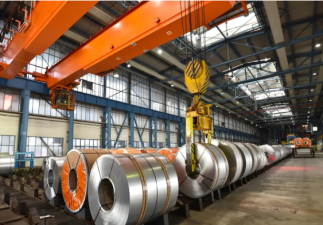
India’s steel sector recorded robust growth in financial year 2025-26, underpinned by strong domestic demand, infrastructure spending and rising exports. The industry strengthened India’s position as the world’s second-largest steel producer, while also regaining net exporter status amid global market volatility and input cost pressures.
Production and Consumption Rise
India’s crude steel output rose by over 10.7% year-on-year to about 168.4 million tonnes during April-March. Finished steel consumption reached around 164 million tonnes, reflecting a 7–8% increase. Demand was supported by construction, railways, manufacturing and infrastructure-led activity.
Exports Improve Sharply
Finished steel exports increased by 35.9% to nearly 6.6 million tonnes. At the same time, imports fell by 31.7%, helping India become a net exporter of steel again. Export growth was supported by better competitiveness and wider market access in regions such as the Middle East, Europe and Southeast Asia.
Capacity Expansion and Investment
India’s total steel production capacity reached around 220 million tonnes in FY 2025-26 and is projected to rise to 300 million tonnes by 2030. Major producers such as SAIL, Tata Steel and JSW Steel continued capacity expansion and technology upgrades. The focus remained on value-added steel and modern production processes.
Challenges and Outlook
Steel prices showed signs of recovery in early 2026, but profitability remained under pressure from coking coal costs, freight expenses and global price volatility. Supply disruptions in industrial fuels, including LPG, also affected some manufacturers. Despite these risks, the sector’s outlook remains positive due to sustained domestic demand, infrastructure growth and interest in green steel technologies.
Last Modified: April 28, 2026