
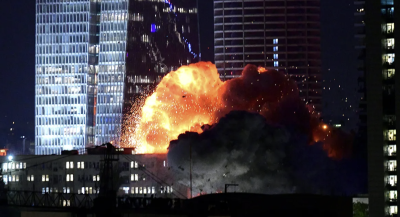
The outbreak of war in Iran has caused significant disruptions in global natural gas supplies. Key export routes and infrastructure in Iran have been affected, leading to reduced gas flow to international markets. Several countries dependent on Iranian gas have reported shortages and increased prices.
Impact on Iranian Gas Exports
Iran is one of the world’s largest natural gas producers, holding the second-largest reserves globally. The conflict has damaged pipelines and export terminals, particularly those connecting Iran to neighbouring countries. Gas shipments via the Persian Gulf and overland pipelines to Turkey and Europe have been partially halted. Iranian gas exports have declined by an estimated 35% since the conflict began.
Global Supply Chain Disruptions
Countries in Europe, South Asia, and the Middle East reliant on Iranian gas face supply deficits. European nations sourcing Iranian gas via Turkey have sought alternatives, increasing LNG imports and pipeline gas from Russia and North Africa. Asian countries, including India and Pakistan, have experienced price spikes due to supply uncertainties. Global natural gas prices surged by over 20% in the weeks following the conflict’s escalation.
Energy Market Responses
International energy firms have rerouted shipments and accelerated contracts with alternative suppliers. LNG terminals in Europe and Asia have increased operational capacity to offset shortages. Strategic reserves in several countries have been partially released to stabilise supply. The International Energy Agency has issued warnings on potential prolonged supply constraints.
Geopolitical and Economic Effects
The conflict has intensified geopolitical tensions in the Middle East, affecting energy diplomacy. Sanctions and military actions have complicated negotiations on gas transit and trade. The war has prompted emergency energy cooperation talks among affected states. Economic forecasts for energy-importing countries now factor in increased costs and supply volatility.
What to Study for UPSC Exams?
- Global Energy Security
- International Energy Markets
- Middle East Geopolitics
- Energy Infrastructure and Diplomacy
Global Energy Security
Global energy security involves ensuring reliable access to energy at affordable prices. It addresses risks from geopolitical conflicts, natural disasters, and market volatility. The concept gained prominence during the 1973 oil crisis, highlighting vulnerabilities in supply chains. Renewable energy integration is increasingly critical to diversify sources and reduce dependency on fossil fuels.
International Energy Markets
International energy markets trade commodities like oil, natural gas, and coal globally. Prices are influenced by supply-demand dynamics, geopolitical events, and OPEC policies. Futures contracts and spot markets facilitate price discovery and risk management. LNG trade has grown rapidly, reshaping traditional pipeline-based gas markets.
Middle East Geopolitics
Middle East geopolitics centers on oil-rich states with strategic waterways like the Strait of Hormuz. Regional conflicts, sectarian divides, and foreign interventions shape energy export stability. Control over resources and transit routes influences global energy prices. Alliances and rivalries often impact international diplomatic and military engagements.
Energy Infrastructure and Diplomacy
Energy infrastructure includes pipelines, refineries, storage facilities, and terminals critical for supply chains. Diplomacy negotiates transit rights, cross-border projects, and sanctions affecting infrastructure use. Energy corridors can foster cooperation or conflict between nations. Cybersecurity of infrastructure is an emerging diplomatic concern.
Last Modified: April 17, 2026