
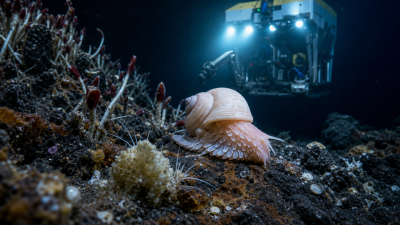
On 9 July 2026 the IUCN Red List update reported that 62% of endemic hydrothermal‑vent mollusc species (125 of 201) are threatened, with deep‑sea mining identified as the principal driver.
Key findings
- Extent: 125/201 endemic vent molluscs classified as threatened on the 9 July 2026 Red List update.
- Primary driver: deep‑sea mining for copper, cobalt and zinc.
- Protected populations: over 30 vent mollusc species are assessed as Least Concern because they occur inside marine protected areas (e.g., Provanna exquisita in the Mariana Arc of Fire NWR).
Threats and ecological mechanisms
- Habitat loss: sediment blankets and plumes from mining smother chemosynthetic vent habitats.
- Functional dependency: vent ecosystems are highly localised; extinction of vent molluscs at a field can trigger co‑extinctions of dependent taxa.
- Scientific value: species such as the scaly‑foot snail (Chrysomallon squamiferum) are studied for materials and biomedical applications.
Notable species and locations
- Lirapex felix: Indian Ocean vent snail listed as Critically Endangered due to mining exploration in its habitat.
- Global count: 201 endemic hydrothermal vent mollusc species were assessed in the 2026 update.
IASPOINT Booster Facts
- IUCN Red List: global standard for species extinction risk assessments and threat categories.
- ISA & UNCLOS: the International Seabed Authority, created under UNCLOS Part XI, regulates mineral activities in the Area (seabed beyond national jurisdiction); ISA met in Jamaica 13–31 July 2026.
- Policy lever: marine protected areas can preclude mining in designated zones; legal protection is site‑specific.