
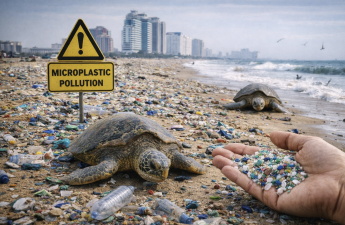
Recent research from V.O. Chidambaram College reveals the presence of microplastics, especially nylon fibres, in Chennai’s beach sediments. Though the abundance is low compared to global beaches, the ecological risks remain high due to the harmful nature of these plastics. This study marks the urgent need for early interventions to prevent long-term damage to marine ecosystems and human health.
Microplastics in Chennai Beaches
Microplastics are tiny plastic particles less than 1 millimetre in size. The study sampled 15 sites along Chennai’s coast. Fibres dominated the microplastics found, mostly smaller than 1000 micrometres. Nylon fibres were the most common type, which are more toxic than many other plastics. Despite low abundance, the risk to marine life is . This is because the type and shape of microplastics affect their ecological impact more than quantity alone.
Ecological Impact of Microplastics
Microplastics harm small beach organisms like worms, crabs, and shellfish. These animals ingest fibres that can block or damage their digestive systems. Toxic chemicals in plastics enter their bodies and move up the food chain affecting fish, birds, and other wildlife. Fibre-shaped microplastics also change sediment structure and disrupt microbial communities on the sea floor. Persistent polymers like nylon can adsorb pollutants, increasing ecological risks. The pollution is transboundary, spreading across regions and threatening coastal biodiversity and ecosystem stability.
Human Activities Causing Pollution
Human actions are the main source of microplastics on Chennai’s beaches. Fishing nets and ropes shed plastic fibres. Synthetic clothes release fibres during washing. Urban sewage, stormwater drains, tourism, and beach activities contribute plastic waste. These plastics enter the sea and contaminate seafood. Consuming such seafood can introduce harmful chemicals and bacteria into humans, potentially affecting immune and hormonal systems.
Need for Early Action and Policy Measures
Chennai’s microplastic pollution is not yet severe. Early action can prevent worsening conditions. Measures include better waste management, recycling fishing gear, promoting biodegradable materials, and raising public awareness. Similar coastal cities face rising plastic pollution due to rapid urbanisation. Timely policy interventions are crucial to protect marine ecosystems and human health.
Topics for Prelims:
Microplastics
- Particles smaller than 1 millimetre.
- Commonly found as fibres, fragments, or beads.
- Sources include synthetic textiles, fishing gear, and urban runoff.
- Can adsorb toxic chemicals and pollutants.
- Impact marine and human health through food chain contamination.
Nylon Fibres
- A type of synthetic polymer used in textiles and fishing nets.
- Highly persistent and resistant to degradation.
- More ecologically harmful than other plastics due to chemical additives.
- Can alter sediment structure and marine habitats.
- Major contributor to microplastic pollution in coastal areas.
Chennai Coast
- Urbanising tropical coastal region in India.
- Faces rising plastic pollution challenges.
- Important marine biodiversity hotspot.
- Economic activities include fishing and tourism.
- Subject to studies on microplastic pollution and ecological risk.
Questions for Mains:
- Critically discuss the ecological impacts of microplastic pollution on marine biodiversity and coastal ecosystems.
- Examine the role of human activities in contributing to microplastic pollution and suggest sustainable waste management practices.
- Analyse the challenges in regulating microplastic pollution in rapidly urbanising coastal cities and estimate the effectiveness of current policies.
- Point out the transboundary nature of marine pollution and discuss international cooperation mechanisms to address plastic pollution in oceans.
Answer Hints:
1. Critically discuss the ecological impacts of microplastic pollution on marine biodiversity and coastal ecosystems. [Environment / Ecology]
- Microplastics, especially nylon fibres, are ingested by small beach organisms (worms, crabs, shellfish), causing digestive blockage and injury.
- Toxic chemicals and additives in plastics bioaccumulate and biomagnify through the food chain, affecting fish, birds, and higher predators.
- Fibre-shaped microplastics alter sediment structure, disrupting benthic habitats and microbial communities essential for ecosystem functioning.
- Persistent polymers like nylon adsorb pollutants, increasing toxicity and ecological risk over time.
- Microplastic pollution threatens coastal biodiversity, ecosystem stability, and biogeochemical processes.
- Long-term environmental exposure and transport cause widespread, transboundary ecological consequences.
2. Examine the role of human activities in contributing to microplastic pollution and suggest sustainable waste management practices. [Environment / Pollution Management]
- Fishing activities shed plastic fibres from damaged nets and ropes into marine environments.
- Synthetic textiles release microfibres during washing, entering sewage and coastal waters.
- Urban sewage, stormwater runoff, tourism, and beach use contribute to plastic debris reaching the sea.
- Microplastics contaminate seafood, posing health risks to humans via chemical and microbial exposure.
- Sustainable practices include improved solid waste management, recycling fishing gear, and promoting biodegradable alternatives.
- Public awareness and responsible consumption are vital to reduce plastic inputs at source.
3. Analyse the challenges in regulating microplastic pollution in rapidly urbanising coastal cities and estimate the effectiveness of current policies. [Environment / Urban Pollution Control]
- Rapid urbanisation increases plastic consumption and waste generation, overwhelming existing waste management systems.
- Monitoring often focuses on abundance, ignoring polymer type, shape, and aging which affect ecological risk assessment.
- Lack of region-specific data hampers targeted policy formulation in tropical coastal cities like Chennai.
- Existing policies may lack enforcement, coordination, and fail to address microplastic sources comprehensively.
- Effective regulation requires integrated approaches – waste management, fishing gear recycling, public education, and promotion of alternatives.
- Early intervention is key; delayed action leads to higher remediation costs and ecological damage.
4. Point out the transboundary nature of marine pollution and discuss international cooperation mechanisms to address plastic pollution in oceans. [Environment / International Relations]
- Microplastics travel long distances via ocean currents, affecting multiple countries and ecosystems beyond local jurisdictions.
- Pollution from one coastal city can impact biodiversity and fisheries in neighboring regions, denoting shared risks.
- International frameworks like the UN Convention on the Law of the Sea (UNCLOS) provide legal basis for cooperation.
- Global initiatives such as the UNEA resolutions on marine litter promote coordinated action on plastic pollution.
- Regional agreements (e.g., South Asian Seas Programme) facilitate joint monitoring, data sharing, and pollution control.
- Effective cooperation requires harmonized regulations, technology transfer, and capacity-building among nations.