
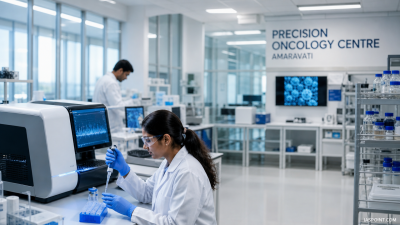
AstraZeneca India announced an Integrated Genomic Solutions Centre in Amaravati on 28 July 2026 as part of India’s first Integrated Precision Oncology programme for genomic research in cancer diagnosis and therapy.
Precision Oncology and Core Technologies
- Precision oncology: tumour molecular profiling to select targeted therapies and immunotherapies.
- Next‑generation sequencing (NGS): high‑throughput DNA/RNA sequencing for somatic and germline variant detection; includes targeted panels and whole‑exome approaches.
- Bioinformatics: variant calling, annotation and clinical reporting to generate actionable biomarker lists.
- AI in imaging: deep‑learning algorithms for chest X‑ray triage and lung nodule detection as screening adjuncts.
Clinical Focus and Applications
- Target cancers: lung and breast cancers — common targets for biomarker‑guided treatment pathways.
- Companion diagnostics: tests paired with specific drugs to determine treatment eligibility.
- Clinical integration: genomic reports combined with clinical data for treatment selection and clinical trial matching.
Institutional, Regulatory and Implementation Links
- Partners: AstraZeneca India with Strand Life Sciences (bioinformatics) and Qure.ai (AI imaging).
- Regulation: in vitro diagnostics and clinical tests require CDSCO oversight; ICMR issues research and ethics guidance.
- Location: Amaravati — planned capital region of Andhra Pradesh; intended linkage with state health infrastructure.
IASPOINT Booster Facts
- NGS performance: limit of detection and tumour‑derived DNA fraction determine sensitivity for somatic variants.
- Key biomarkers: EGFR and ALK alterations (lung); HER2 amplification and PIK3CA mutations (breast).
- Data governance: genomic data implicates health data protection and consent under India’s data‑privacy frameworks.