
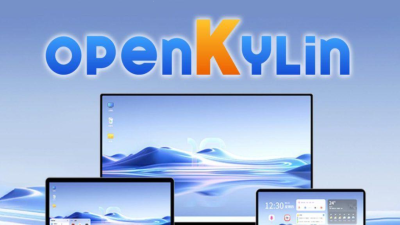
China has recently unveiled its first open-source desktop operating system, called OpenKylin. Developed by a community of approximately 4,000 developers, OpenKylin provides users with access to the system’s source code, allowing for modifications and customization.
OpenKylin: China’s Open-Source OS
- Embracing Open Source: OpenKylin marks China’s foray into the realm of open-source operating systems. Unlike closed operating systems like Microsoft’s Windows and Apple’s MacOS, OpenKylin allows users to access and modify the source code, promoting transparency and customization.
- Built on Linux: OpenKylin is a Linux-based operating system, leveraging the open-source nature of Linux to create a customizable and community-driven desktop experience. The Linux foundation provides a robust platform for developers to collaborate and contribute to the development of OpenKylin.
Advantages of Open-Source Operating Systems:
- Transparency and Customization: Open-source operating systems provide transparency, as the source code is publicly available for inspection. This allows users to understand how the system works and modify it according to their specific needs. With OpenKylin, users have the freedom to customize and tailor the operating system to their preferences.
- Community Collaboration: Open-source operating systems foster a collaborative environment, with developers from around the world contributing to the codebase. This community-driven approach leads to rapid development, bug fixes, and the introduction of new features. OpenKylin’s community of 4,000 developers ensures a diverse range of expertise working together to enhance the operating system.
- Security and Stability: The open-source nature of operating systems promotes enhanced security and stability. With a large community actively reviewing and auditing the code, vulnerabilities can be identified and addressed promptly. This collaborative effort significantly reduces the risk of malicious attacks and improves the overall stability of the system.
Implications for the Software Industry:
- Increased Competition and Innovation: The release of OpenKylin introduces a new player in the operating system landscape, increasing competition and driving innovation. Open-source systems foster healthy competition and encourage software companies to continually improve their products to meet evolving user needs.
- Promoting Software Independence: By offering an open-source alternative, OpenKylin empowers users and organizations to reduce their dependence on closed operating systems. It provides an opportunity for governments, enterprises, and individuals to embrace a secure and customizable operating system while reducing licensing costs associated with proprietary software.
- Knowledge Sharing and Collaboration: OpenKylin’s open-source nature encourages knowledge sharing and collaboration among developers, both domestically and internationally. It enables Chinese developers to contribute to the global open-source community and learn from best practices worldwide. This collaboration can lead to the development of innovative solutions and the exchange of ideas to improve software ecosystems.